What is the Difference Between IVF and Test Tube Baby?
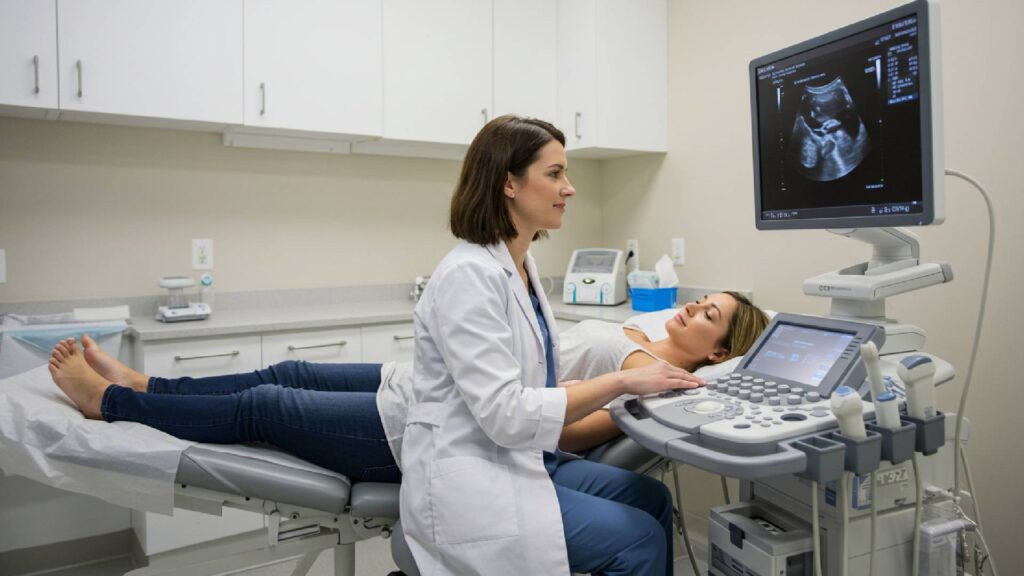
When it comes to assisted reproductive technology, two terms that often cause confusion are IVF (In Vitro Fertilization) and test tube baby. While both terms refer to fertility treatments, they are not exactly the same. In this blog, we will explore the difference between IVF and test tube baby, clarify these concepts, and provide answers to frequently asked questions. By the end, you’ll have a better understanding of these two reproductive treatments. What is IVF (In Vitro Fertilization)? In Vitro Fertilization (IVF) is a widely known and effective fertility treatment that involves combining an egg and sperm outside the body in a laboratory. IVF is often used for couples facing infertility issues such as blocked fallopian tubes, male infertility, or unexplained fertility problems. IVF is a step-by-step procedure and is considered one of the most advanced fertility treatments available today. IVF Process Overview: Ovarian Stimulation: The woman undergoes hormone therapy to stimulate the ovaries to produce multiple eggs. Egg Retrieval: The mature eggs are collected from the woman’s ovaries. Fertilization: The collected eggs are then combined with sperm in the laboratory to create embryos. Embryo Transfer: After a few days, the healthiest embryos are selected and transferred into the woman’s uterus to facilitate implantation and pregnancy. H3 IVF Benefits: Effective for Various Infertility Issues: IVF is a versatile treatment that can address a variety of fertility challenges, including male infertility and ovulation disorders. Higher Success Rates: IVF has higher success rates compared to other treatments like IUI (Intrauterine Insemination). Genetic Screening: IVF allows for genetic testing of embryos (PGT) to ensure the healthiest embryos are selected for transfer. What is a Test Tube Baby? The term test tube baby is often used interchangeably with IVF, but it’s technically a more colloquial term for a baby conceived through the IVF process. When people refer to a test tube baby, they are essentially referring to a baby born after the IVF procedure. The misconception arises from the fact that in the early days of IVF, embryos were fertilized in a glass container (a test tube), hence the term “test tube baby.” In essence, a test tube baby is the result of IVF treatment, but the term is outdated and not commonly used in the medical field today. Test Tube Baby Process Overview: The process is the same as IVF: the egg and sperm are combined outside the body in a laboratory dish (not necessarily a test tube), and the resulting embryo is transferred into the woman’s uterus. Key Differences Between IVF and Test Tube Baby While IVF and test tube baby treatments involve the same core process, IVF refers to the overall medical procedure, and test tube baby is just the result of that procedure. The key difference is mainly in terminology and perception. 1. Terminology IVF: Refers to the medical procedure of fertilizing an egg outside the body and transferring the embryo into the uterus. Test Tube Baby: Refers to a child born through IVF. The term is outdated and is no longer used in modern medical practice. 2. Process IVF: A step-by-step treatment involving ovarian stimulation, egg retrieval, fertilization, and embryo transfer. Test Tube Baby: The baby conceived from an IVF procedure. The fertilization part often took place in a test tube in earlier IVF treatments. 3. Usage IVF: This is the correct medical term used to describe the procedure. Test Tube Baby: A layman’s term, often misunderstood, that simply refers to the result of IVF treatment. Common Misconceptions About IVF and Test Tube Babies 1. “IVF Means Using a Test Tube for Fertilization” While early IVF experiments involved test tubes, today’s IVF procedures use laboratory dishes or Petri dishes for fertilization. The term “test tube baby” no longer applies to the modern IVF process. 2. “IVF Is Only for Couples Who Can’t Have Children Naturally” IVF can help many individuals and couples with fertility challenges, but it’s also an option for those who want to avoid genetic disorders through preimplantation genetic testing (PGT) or those looking to preserve fertility before chemotherapy or radiation. 3. “IVF Always Results in Pregnancy” While IVF has a high success rate, it’s important to understand that success depends on several factors, including the woman’s age, the cause of infertility, and the quality of the embryos. Conclusion The difference between IVF and test tube baby lies primarily in terminology. IVF is the medical procedure for creating embryos outside the body, while a test tube baby is simply a baby born as a result of IVF. With modern advancements in fertility treatments, IVF has become a common and highly successful option for couples struggling with infertility. If you or someone you know is considering IVF, it’s essential to consult with a fertility expert to understand the process, explore options like genetic testing, and address any concerns about the treatment. Frequently Asked Questions (FAQs) Is IVF the same as artificial insemination? No, IVF involves fertilizing an egg outside the body, while artificial insemination (IUI) simply involves placing sperm inside the uterus to aid in fertilization. What is the success rate of IVF? The success rate of IVF varies depending on factors such as the woman’s age, the cause of infertility, and embryo quality. Generally, success rates are higher than other fertility treatments. Is IVF safe? IVF is generally considered safe, but like any medical procedure, it comes with some risks. Your fertility specialist will assess your health and any potential risks before proceeding with IVF. No, IVF involves fertilizing an egg outside the body, while artificial insemination (IUI) simply involves placing sperm inside the uterus to aid in fertilization. The success rate of IVF varies depending on factors such as the woman’s age, the cause of infertility, and embryo quality. Generally, success rates are higher than other fertility treatments. IVF is generally considered safe, but like any medical procedure, it comes with some risks. Your fertility specialist will assess your health and any potential risks before proceeding with IVF.
What is the Difference Between IUI and IVF?
When facing infertility, IUI (Intrauterine Insemination) and IVF (In Vitro Fertilization) are two of the most commonly recommended fertility treatments. However, many people confuse the two procedures due to their similar end goal: helping couples conceive. In reality, IUI and IVF are distinct treatments with different procedures, costs, success rates, and considerations. In this blog, we will explore the differences between IUI and IVF, providing a clear comparison of both treatments. What is IUI (Intrauterine Insemination)? IUI (Intrauterine Insemination) is a fertility treatment that involves placing sperm directly into a woman’s uterus during ovulation, increasing the chances of fertilization. The sperm used can either be from the male partner or a sperm donor. IUI is often used for couples facing issues like mild male infertility, ovulation problems, or unexplained infertility. IUI Process Overview: Ovulation Monitoring: Hormonal medications may be prescribed to stimulate ovulation, and ultrasounds or blood tests are used to monitor the timing. Sperm Preparation: The sperm is washed and prepared in the laboratory to remove impurities and select the healthiest sperm. Sperm Insertion: Using a thin catheter, the prepared sperm is placed directly into the uterus near the time of ovulation. IUI is generally a less invasive and more affordable fertility treatment, making it a popular option for many couples. What is IVF (In Vitro Fertilization)? IVF (In Vitro Fertilization) is a more advanced fertility treatment that involves fertilizing an egg outside the body in a laboratory setting. Once fertilized, the embryo is transferred into the woman’s uterus. IVF is recommended when other fertility treatments, like IUI, have not been successful or when more complex fertility issues are present, such as blocked fallopian tubes, severe male infertility, or endometriosis. IVF Process Overview: Ovarian Stimulation: Hormonal medications are used to stimulate the ovaries to produce multiple eggs. Egg Retrieval: The eggs are collected through a minor surgical procedure. Fertilization: In the lab, the eggs are combined with sperm to create embryos. In some cases, ICSI (Intracytoplasmic Sperm Injection) may be used for fertilization. Embryo Transfer: The best-quality embryos are selected and transferred into the uterus, where they may implant and result in pregnancy. IVF is more complex and expensive than IUI, but it has a higher success rate, particularly for couples with severe infertility problems. Key Differences Between IUI and IVF While both IUI and IVF help individuals and couples overcome infertility, they differ in terms of the process, costs, and ideal candidates. 1. Procedure IUI: Involves placing sperm directly into the uterus during ovulation. It is less invasive and simpler, requiring no surgical intervention. IVF: Involves retrieving eggs from the ovaries, fertilizing them outside the body, and transferring the embryos back into the uterus. IVF is a more complex procedure requiring multiple steps. 2. Cost IUI: IUI is less expensive than IVF, typically ranging from $300 to $1,000 per cycle (without medication). The cost varies based on location and additional treatments. IVF: IVF is more costly, with a single cycle typically costing between $12,000 and $15,000 (excluding medication and additional procedures). The cost reflects the more advanced and comprehensive nature of the treatment. 3. Success Rates IUI: The success rate of IUI is typically 10% to 20% per cycle, depending on factors like the woman’s age, the cause of infertility, and the quality of sperm. IVF: IVF generally has a higher success rate, ranging from 30% to 50% per cycle, depending on age, egg quality, and other factors. IVF success rates tend to improve when combined with genetic screening or egg/sperm freezing. 4. Ideal Candidates IUI: IUI is often recommended for couples with mild male infertility (e.g., low sperm count or motility), ovulation disorders, or unexplained infertility. IVF: IVF is typically recommended for individuals or couples with more complex fertility issues, such as blocked fallopian tubes, severe male infertility, or failed IUI attempts. 5. Invasiveness IUI: IUI is a less invasive treatment. The sperm is inserted directly into the uterus via a catheter, and the process is usually completed in a doctor’s office without anesthesia. IVF: IVF is more invasive. It requires egg retrieval under sedation and involves laboratory procedures like fertilization and embryo culture. Common Misconceptions About IUI and IVF 1. “IUI and IVF Are the Same Thing” While both IUI and IVF are fertility treatments aimed at increasing the chances of conception, they are fundamentally different. IUI involves sperm insertion, whereas IVF involves egg retrieval, fertilization in a lab, and embryo transfer. 2. “IVF is the Only Option for Infertile Couples” While IVF is an effective treatment, it is not always the first or only choice. IUI may be a suitable option for couples with less severe fertility issues. IVF is usually recommended after IUI or other treatments have been unsuccessful. 3. “IVF Guarantees a Baby” IVF is highly effective but not a guarantee of pregnancy. The success of IVF depends on factors such as the woman’s age, health, egg and sperm quality, and the cause of infertility. Conclusion In summary, IUI (Intrauterine Insemination) and IVF (In Vitro Fertilization) are both fertility treatments, but they differ significantly in terms of procedure, cost, success rates, and suitability for different fertility problems. IUI is less invasive, more affordable, and ideal for couples with mild infertility issues, while IVF is more complex, has higher success rates, and is typically recommended for couples with more severe fertility challenges. If you’re considering fertility treatments, it’s important to consult with a fertility specialist who can guide you toward the best option for your situation. Frequently Asked Questions (FAQs) Which is better: IUI or IVF? The choice between IUI and IVF depends on the specific fertility issue. IUI is typically recommended for mild fertility problems, while IVF is ideal for more severe infertility cases. How many IUI cycles should be tried before IVF? It’s common to try 3-4 cycles of IUI before considering IVF. If IUI is unsuccessful, IVF may offer higher success rates, especially for women with blocked fallopian tubes or male infertility issues. Is IVF more painful than IUI? IVF
PCOS and PCOD
The terms PCOS (Polycystic Ovary Syndrome) and PCOD (Polycystic Ovary Disease) are often used interchangeably. However, while they share similar symptoms and underlying issues, they are not exactly the same. In this blog, we will break down the difference between PCOS and PCOD, provide a comprehensive understanding of both conditions, and discuss the symptoms, causes, treatment options, and how to manage them. What is PCOS (Polycystic Ovary Syndrome)? Polycystic Ovary Syndrome (PCOS) is a common hormonal disorder that affects women of reproductive age. It is characterized by an imbalance in reproductive hormones, leading to irregular or absent menstrual cycles, cysts in the ovaries, and difficulty in conceiving. PCOS affects about 1 in 10 women of reproductive age and is one of the leading causes of infertility. Key Features of PCOS: Hormonal Imbalance: Elevated levels of male hormones (androgens), leading to symptoms like excessive hair growth (hirsutism) and acne. Irregular Menstrual Cycles: Women with PCOS may experience irregular or missed periods due to disrupted ovulation. Ovarian Cysts: Enlarged ovaries containing numerous small cysts that may be detected during an ultrasound. Insulin Resistance: Many women with PCOS also have insulin resistance, which increases the risk of type 2 diabetes. Symptoms of PCOS: Irregular or missed periods Excessive hair growth (face, chest, back) Acne and oily skin Thinning hair or male-pattern baldness Weight gain or difficulty losing weight Fertility problems What is PCOD (Polycystic Ovary Disease)? Polycystic Ovary Disease (PCOD), while often confused with PCOS, is a condition where the ovaries develop numerous small cysts. Unlike PCOS, PCOD does not always result in hormonal imbalance, and many women with PCOD still have regular menstrual cycles. PCOD is more of a structural issue where the ovaries become enlarged and contain many small, immature follicles (eggs), which may not mature and ovulate properly. Key Features of PCOD: Ovarian Cysts: As with PCOS, women with PCOD may have multiple cysts in their ovaries. Normal Hormone Levels: Women with PCOD typically do not experience significant hormonal imbalance as seen in PCOS. Regular or Irregular Periods: PCOD can affect the regularity of menstrual cycles, but it does not always lead to the severe symptoms of PCOS. Fertility Issues: Like PCOS, women with PCOD may experience difficulties in conceiving due to problems with ovulation. Symptoms of PCOD: Irregular periods or delayed ovulation Difficulty getting pregnant Acne, oily skin, and slight weight gain No significant increase in male hormone levels Cysts in ovaries as shown by ultrasound Key Differences Between PCOS and PCOD 1. Hormonal Imbalance PCOS: Women with PCOS experience hormonal imbalances, specifically elevated levels of male hormones (androgens), which leads to symptoms like excessive hair growth and acne. PCOD: Women with PCOD may have normal hormone levels, and hormonal imbalance is not as prominent in this condition. 2. Cysts in Ovaries PCOS: In PCOS, the ovaries are typically filled with immature eggs, which can result in cysts. This hormonal imbalance often prevents the eggs from maturing and being released properly. PCOD: Women with PCOD also have cysts in the ovaries, but it is not due to a hormonal imbalance. Instead, the cysts are often a result of incomplete egg maturation. 3. Symptoms PCOS: The symptoms of PCOS can be more severe, including excessive hair growth, acne, thinning hair, and weight gain. PCOD: The symptoms of PCOD are usually milder and often include irregular periods and possible fertility issues, but without the more noticeable symptoms like acne or excess hair growth. 4. Impact on Fertility PCOS: Infertility is a common issue with PCOS, as the hormonal imbalance often prevents proper ovulation. PCOD: While fertility issues are also common in PCOD, they are often less severe than in PCOS. Ovulation can still occur regularly in many women with PCOD. 5. Treatment Options PCOS: Treatment for PCOS usually involves hormonal treatments, like birth control pills, anti-androgens for hirsutism, and fertility medications like Clomid for those trying to conceive. PCOD: For PCOD, treatments usually focus on managing menstrual irregularities and improving fertility through lifestyle changes, medications for ovulation, or in some cases, weight management strategies. How Are PCOS and PCOD Treated? Both conditions require a different treatment approach due to their varying symptoms and causes. However, the treatments for PCOS and PCOD often overlap in terms of fertility management. Treatment for PCOS: Hormonal Contraceptives: Used to regulate menstrual cycles and reduce the symptoms of excess hair and acne. Metformin: This drug is used to treat insulin resistance, commonly seen in women with PCOS. Ovulation-Inducing Medications: For women trying to conceive, medications like Clomid and Letrozole are used to stimulate ovulation. Weight Management: Managing weight is crucial for improving symptoms and fertility in women with PCOS. Treatment for PCOD: Lifestyle Changes: Maintaining a healthy diet and regular exercise routine can help manage PCOD symptoms. Ovulation-Inducing Medications: Like PCOS, medications such as Clomid may be prescribed to help stimulate ovulation for women who have difficulty conceiving. Weight Management: Just like with PCOS, maintaining a healthy weight can help manage symptoms and improve fertility. Conclusion Understanding the difference between PCOS and PCOD is essential for effective diagnosis and treatment. While both conditions involve cysts in the ovaries, PCOS is more complex, involving hormonal imbalances that affect menstruation, fertility, and other symptoms. On the other hand, PCOD typically involves cysts with fewer hormonal imbalances, and treatment is often more straightforward. Whether you have PCOS or PCOD, working with a healthcare provider to determine the best treatment plan is key to managing symptoms and improving your overall health. Frequently Asked Questions (FAQs) What is the main difference between PCOS and PCOD? The primary difference between PCOS and PCOD is that PCOS involves hormonal imbalance and severe symptoms like excessive hair growth, acne, and infertility, while PCOD is a condition characterized by ovarian cysts with relatively normal hormone levels and milder symptoms. Can I get pregnant with PCOS or PCOD? Yes, it is possible to get pregnant with both PCOS and PCOD, though women with PCOS may face more significant fertility challenges due to hormonal imbalances. Women
What Are Benefits of Laparoscopic Gynaecology Surgery
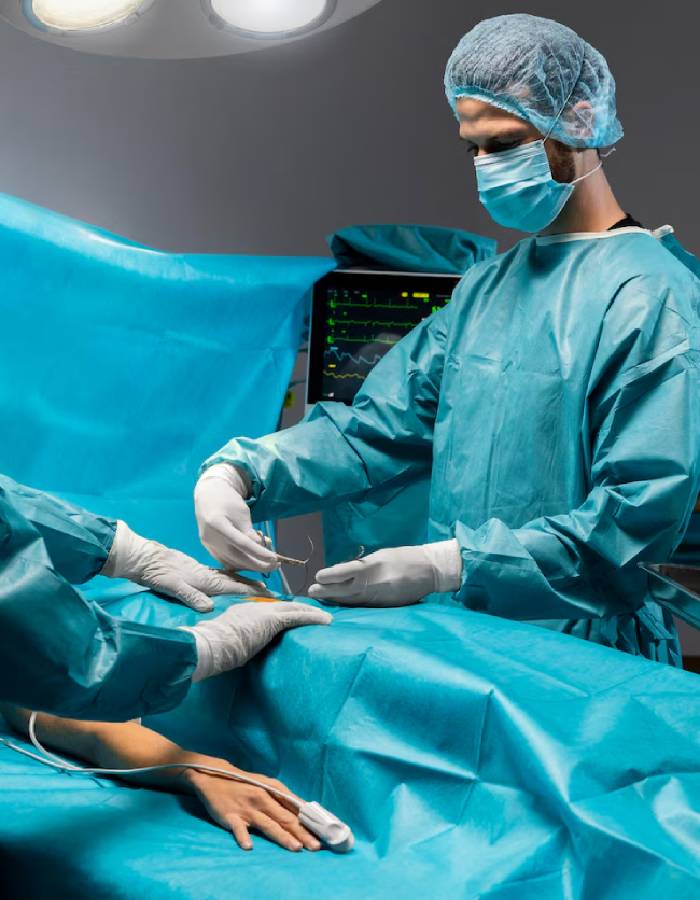
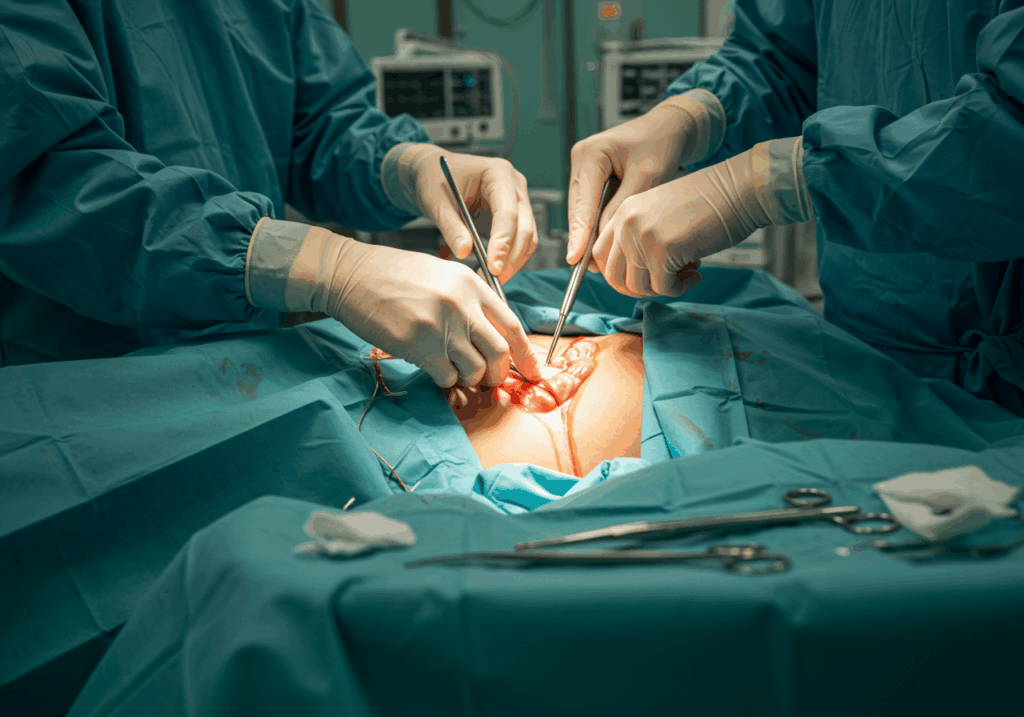
When facing gynaecological conditions that require surgical intervention, the idea of traditional open surgery can feel overwhelming. Fortunately, advancements in medical technology have made minimally invasive procedures like laparoscopic surgery a preferred choice for many women. But what exactly makes laparoscopic surgery so beneficial? Let’s dive in! What is Laparoscopic Gynaecology Surgery? Laparoscopic surgery is a modern, minimally invasive surgical technique. Instead of one large incision, the surgeon makes small keyhole-sized cuts. A tiny camera (laparoscope) is inserted through one of these incisions, giving a clear, magnified view of the internal organs on a monitor. The surgeon then performs the procedure using specialized instruments through the other incisions. It’s commonly used for: Hysterectomy (removal of the uterus) Ovarian cyst removal Endometriosis treatment Fibroid removal Ectopic pregnancy management Pelvic organ prolapse repair Let’s explore the benefits! Understanding the Physical Recovery Process Your body goes through significant changes after delivery. Healing takes time, and knowing what to expect can help you prepare: Uterus Shrinking: The uterus gradually returns to its pre-pregnancy size over about six weeks. Vaginal Soreness: For those who had a vaginal birth, tenderness, swelling, or stitches may take a few weeks to heal. C-Section Recovery: C-section incisions require careful cleaning and monitoring to prevent infection. Postpartum Bleeding: Also known as lochia, this bleeding can last for several weeks as your body sheds the uterine lining. Breast Changes: Engorgement, soreness, and milk production adjustments are common. Having medical professionals guide you through these changes ensures any abnormalities — like excessive bleeding or pain — are quickly addressed. 1. Faster Recovery Time One of the biggest perks of laparoscopic surgery is the quick recovery. Since the incisions are small, there’s less trauma to the body. Most women can return to their normal activities within a week or two, compared to the 4-6 weeks required for open surgery. Imagine getting back to work, family responsibilities, or even light exercise without a long, uncomfortable recovery period. That’s a huge win! Additionally, faster recovery means less downtime, which is especially important for women balancing careers, families, and personal commitments. 2. Less Pain and Discomfort Smaller incisions mean less pain. Many women report needing fewer pain medications after laparoscopic surgery than with traditional open surgery. This not only makes recovery more comfortable but also lowers the risk of opioid-related side effects or dependence. Pain management is crucial for physical and mental well-being post-surgery. By reducing pain, laparoscopic procedures help women feel more in control of their recovery and daily routines. 3. Minimal Scarring For many women, scarring is a major concern. Laparoscopic surgery leaves only tiny scars — often less than a centimeter each — which fade significantly over time. This can help boost confidence, especially for those who are self-conscious about visible scars. Smaller scars also contribute to a more positive post-surgery body image, which can be an essential part of the emotional healing process. 4. Reduced Risk of Infections Smaller incisions reduce the risk of postoperative infections. Less exposure of internal organs to external contaminants means a lower chance of complications, helping you recover faster and safer. Infections can delay recovery and lead to further health issues, so this reduced risk is a significant benefit — especially for women with compromised immune systems or underlying health conditions. 5. Shorter Hospital Stay Many laparoscopic procedures are done as day surgeries, meaning you can return home the same day. Even when an overnight stay is necessary, it’s usually shorter than with open surgery — saving you time, money, and the emotional strain of being away from loved ones. A shorter hospital stay also reduces the risk of hospital-acquired infections and minimizes the overall cost of treatment — a practical consideration for many families. 6. Improved Precision and Better Outcomes The high-definition camera used in laparoscopic surgery provides a detailed, magnified view of the organs. This allows surgeons to operate with greater precision, which can lead to better outcomes — especially for delicate procedures like endometriosis removal or fertility-related surgeries. Better precision can mean more successful procedures, lower chances of complications, and an increased likelihood of preserving reproductive organs and fertility where applicable. 7. Quicker Return to Normal Life Whether you’re a busy mom, a professional, or someone who just wants to get back to life without being sidelined for weeks, laparoscopic surgery supports a quicker return to your normal routine — without compromising the effectiveness of the treatment. The ability to resume day-to-day activities — work, parenting, hobbies, and exercise — faster is a significant advantage. It helps women maintain their mental and emotional well-being, which can often suffer with prolonged recovery times. 8. Lower Blood Loss and Less Need for Blood Transfusions Since laparoscopic surgery is minimally invasive, it results in less blood loss than traditional open surgery. This reduces the likelihood of needing a blood transfusion, which can carry additional risks and extend recovery times. For women with anemia or other blood-related conditions, this is a particularly valuable benefit. 9. Suitable for a Wide Range of Gynaecological Conditions Laparoscopic surgery is incredibly versatile. It can be used to treat a variety of gynaecological conditions — from common issues like ovarian cysts and fibroids to more complex cases like endometriosis and pelvic organ prolapse. This versatility means that more women can benefit from a minimally invasive approach, regardless of their specific diagnosis. 10. Enhanced Quality of Life Ultimately, the combination of faster recovery, less pain, minimal scarring, and better surgical outcomes contributes to an improved quality of life. Women can move past their health challenges more quickly and confidently, focusing on their personal and professional aspirations. Is Laparoscopic Surgery Right for You? Every woman’s situation is unique. While laparoscopic surgery offers numerous benefits, it’s important to consult a skilled gynaecologist to determine if it’s the right approach for your condition. At Eva Womancare, our compassionate experts specialize in advanced laparoscopic procedures, ensuring you receive personalized care tailored to your health and lifestyle needs. Final Thoughts Laparoscopic gynaecology surgery has revolutionized women’s healthcare, offering
Post-Delivery Care in Your Recovery Journey

Bringing a new life into the world is nothing short of miraculous — but the journey doesn’t end there. For new mothers, the postpartum period is a crucial phase that demands just as much care and attention as pregnancy itself. In Navi Mumbai, where life moves fast, ensuring proper post-delivery care is essential for both physical recovery and emotional well-being. Let’s explore why post-delivery care matters, what it involves, and how it supports your journey into motherhood. Why Post-Delivery Care is Essential The days and weeks after giving birth are filled with physical, hormonal, and emotional changes. Many women experience fatigue, discomfort, and even mood swings. This is where post-delivery care becomes crucial — it helps: Speed Up Physical Recovery: Whether you had a vaginal delivery or a C-section, your body needs time and support to heal. Support Emotional Well-being: Baby blues or postpartum depression can affect many new mothers. Compassionate care can help identify and manage these feelings. Promote Newborn Health: A healthy, rested mom is better equipped to care for her newborn. Ensure Proper Nutrition: Postpartum nutrition supports healing, milk production, and overall energy. Encourage Rest and Relaxation: Quality rest is vital for recovery, but it can be hard to come by with a newborn. Having extra support allows mothers to get the rest they need. Understanding the Physical Recovery Process Your body goes through significant changes after delivery. Healing takes time, and knowing what to expect can help you prepare: Uterus Shrinking: The uterus gradually returns to its pre-pregnancy size over about six weeks. Vaginal Soreness: For those who had a vaginal birth, tenderness, swelling, or stitches may take a few weeks to heal. C-Section Recovery: C-section incisions require careful cleaning and monitoring to prevent infection. Postpartum Bleeding: Also known as lochia, this bleeding can last for several weeks as your body sheds the uterine lining. Breast Changes: Engorgement, soreness, and milk production adjustments are common. Having medical professionals guide you through these changes ensures any abnormalities — like excessive bleeding or pain — are quickly addressed. Emotional and Mental Health Support Hormonal fluctuations, sleep deprivation, and the stress of caring for a newborn can lead to emotional challenges. Many women experience the “baby blues” — feelings of sadness, anxiety, and overwhelm — which typically subside within a couple of weeks. However, around 1 in 7 women experience a more severe condition known as postpartum depression (PPD). Symptoms include: Persistent sadness or mood swings Difficulty bonding with the baby Feelings of worthlessness or guilt Changes in appetite and sleep patterns Lack of energy or motivation Early intervention is key. Post-delivery care should include mental health check-ins and access to counseling if needed. What Does Comprehensive Post-Delivery Care Include? Postpartum care isn’t just about physical recovery — it’s a holistic approach to a mother’s well-being. Here’s what it typically involves: Medical Checkups: Regular visits to your doctor ensure your recovery is on track, stitches are healing properly, and any complications are addressed. Pain Management: Personalized advice on handling post-birth pains, C-section discomfort, or perineal soreness. Lactation Support: Breastfeeding can be challenging. Guidance from a lactation expert can help ensure a smooth breastfeeding journey. Nutritional Guidance: A balanced diet rich in iron, calcium, and proteins is essential for faster healing and sustaining energy levels. Emotional Support: Mental health checks, counseling, and support groups can help mothers cope with mood swings, anxiety, or postpartum depression. Personal Hygiene and Care: Guidance on keeping the stitches clean, avoiding infections, and resuming physical activities safely. Physical Therapy: Some mothers may benefit from physiotherapy, especially if they experience pelvic floor issues, back pain, or diastasis recti (abdominal muscle separation). Family Support and Education: Educating partners and family members about postpartum recovery fosters a more supportive home environment. Tailored Post-Delivery Care in Navi Mumbai Navi Mumbai offers a growing number of specialized postpartum care services designed to support new mothers. From home visits by trained nurses to postpartum physiotherapy and emotional wellness programs, there are plenty of options to choose from. If you’re wondering where to start, Eva Woman Care is dedicated to providing personalized care plans that cater to both the mother and baby’s needs. Their experienced team understands that every mother’s journey is unique and offers tailored solutions for faster recovery and mental well-being. Building a Supportive Environment at Home Recovery is smoother when mothers feel supported by family and friends. Here’s how loved ones can help: Assist with Household Tasks: Cooking, cleaning, and errands can take a back seat while the mother recovers. Offer Emotional Support: A listening ear and words of encouragement go a long way. Share Baby Duties: Taking over diaper changes, feedings, or rocking the baby to sleep lets the mother rest. Encourage Self-Care: New moms often put their own needs last. Gentle reminders to shower, eat, and take breaks are essential. Final Thoughts It’s natural to pour all your energy into your newborn, but your health matters just as much. Post-delivery care isn’t a luxury — it’s a necessity. By prioritizing your recovery, you’re setting the foundation for a healthier, happier motherhood journey. If you’re in Navi Mumbai and seeking compassionate, expert-led postpartum care, Eva Woman Care is here to help. From lactation support to emotional counseling, they’ve got you covered. Take the first step towards a smoother recovery — schedule a consultation today!
What Causes Infertility In Men?

Male infertility is a significant factor that contributes to a couple’s difficulty in conceiving. While infertility is often thought of as a female issue, male infertility accounts for approximately 40-50% of infertility cases. Understanding the reasons for male infertility is crucial for both individuals and couples who are facing challenges with conception. In this blog, we will explore the various causes of male infertility, including common medical conditions, lifestyle factors, and environmental influences, along with the available treatments and solutions. Common Causes of Male Infertility 1. Low Sperm Count (Oligospermia) One of the most common causes of male infertility is low sperm count, or oligospermia, which refers to having fewer sperm in the semen than is considered normal. A normal sperm count typically ranges from 15 million to more than 200 million sperm per milliliter of semen. Anything lower than this can reduce the likelihood of the sperm reaching and fertilizing the egg. Causes of low sperm count include: Hormonal imbalances Varicocele (enlarged veins in the scrotum) Infections Obstructions in the reproductive tract 2. Poor Sperm Motility (Asthenozoospermia) Sperm motility refers to the sperm’s ability to move efficiently. Even if a man has a normal sperm count, poor sperm motility can significantly affect fertility. Asthenozoospermia is the medical term for low sperm motility, which can prevent sperm from swimming effectively toward the egg, reducing the chances of successful fertilization. Factors that affect sperm motility: Genetic issues Infections or inflammation Exposure to toxins, chemicals, or radiation Testicular temperature (e.g., excessive heat exposure) 3. Abnormal Sperm Morphology (Teratozoospermia) Sperm morphology refers to the size and shape of the sperm. Abnormal sperm morphology can affect the sperm’s ability to penetrate the egg. Teratozoospermia refers to a condition where sperm have an abnormal shape, which can prevent them from swimming properly or reaching the egg for fertilization. Causes of abnormal sperm morphology: Genetic disorders Environmental toxins Lifestyle factors, such as smoking or alcohol consumption 4. Varicocele (Enlarged Veins in the Scrotum) A varicocele is an enlargement of the veins within the scrotum that can increase the temperature of the testes, leading to a decrease in sperm production and motility. This condition is similar to varicose veins and is one of the most common causes of male infertility. In many cases, varicoceles can be treated surgically. Symptoms of a varicocele include: Swelling in the scrotum Pain or discomfort in the testicles Reduced fertility or sperm quality 5. Obstructions in the Reproductive Tract Physical blockages in the male reproductive tract can prevent sperm from being released during ejaculation. These obstructions can occur at various points, including the vas deferens (the tube that carries sperm from the testicles to the urethra), the epididymis, or the urethra. Causes of blockages: Infections: Sexually transmitted infections (STIs) can lead to blockages. Congenital conditions: Some men are born with blocked or absent ducts. Previous surgeries: Vasectomy reversal or other surgical procedures may cause scarring or blockages. 6. Hormonal Imbalances Hormonal imbalances can affect sperm production and function. The production of sperm is regulated by hormones like testosterone, follicle-stimulating hormone (FSH), and luteinizing hormone (LH). If any of these hormones are out of balance, sperm production can be impaired. Common causes of hormonal imbalances: Pituitary gland disorders Thyroid issues (hypothyroidism or hyperthyroidism) Stress or excessive use of steroids Obesity 7. Genetic Factors Genetic issues can play a significant role in male infertility. Certain genetic conditions can cause low sperm count, poor sperm motility, or other reproductive issues. One well-known genetic condition is Klinefelter syndrome, which occurs when a man has an extra X chromosome. Genetic factors affecting fertility: Klinefelter syndrome Y chromosome microdeletions Cystic fibrosis (can cause congenital absence of the vas deferens) Mutations or defects in sperm production genes 8. Environmental Factors and Lifestyle Choices Several external factors can negatively impact sperm quality. These include exposure to toxins, chemicals, and radiation, which can lead to a decline in sperm count, motility, and morphology. Lifestyle factors influencing male fertility: Smoking: Smoking is known to reduce sperm count and motility. Excessive alcohol consumption: This can affect sperm production and testosterone levels. Obesity: Being overweight can lead to hormonal imbalances and reduced sperm quality. Heat exposure: Regular use of hot tubs, saunas, or placing a laptop on the lap can raise testicular temperature, affecting sperm production. Treatment Options for Male Infertility 1. Medications In some cases, medications can help treat underlying conditions like hormonal imbalances or infections that are causing infertility. Medications may also improve sperm production and quality. 2. Surgery For conditions like varicocele or blockages in the reproductive tract, surgical procedures can improve fertility. For example, varicocele repair surgery can improve sperm quality by reducing scrotal temperature. 3. Assisted Reproductive Technologies (ART) When other treatments are not successful, ART procedures like IUI (Intrauterine Insemination) or IVF (In Vitro Fertilization) may be recommended. In some cases, ICSI (Intracytoplasmic Sperm Injection) is used in IVF, where a single sperm is injected directly into an egg. Conclusion Male infertility can be caused by a variety of factors, including low sperm count, poor sperm motility, hormonal imbalances, genetic factors, and environmental influences. Understanding the reasons for male infertility is key to seeking appropriate treatment and improving fertility chances. If you or your partner are struggling with fertility issues, it’s important to consult with a fertility specialist to discuss diagnosis and treatment options. Frequently Asked Questions (FAQs) Can male infertility be treated? Yes, male infertility can often be treated, depending on the underlying cause. Treatment may involve medications, surgery, or assisted reproductive techniques. What are the signs of male infertility? The most common signs of male infertility include low sperm count, poor sperm motility, or abnormal sperm morphology. However, many men may not have obvious symptoms. How can male infertility be prevented? Maintaining a healthy lifestyle, avoiding smoking, limiting alcohol intake, staying at a healthy weight, and reducing exposure to toxins can help prevent or reduce the risk of infertility. Yes, male infertility can often be treated, depending on the underlying cause. Treatment may involve medications,
Menstrual Cycle Issues
The menstrual cycle is not just about menstruation—its impact extends beyond just the reproductive system, affecting various aspects of a woman’s health. From influencing mental health to affecting heart health, the menstrual cycle plays a crucial role in maintaining overall well-being. In this blog, we’ll explore how the menstrual cycle can affect other health issues, including physical, emotional, and mental health, and discuss why it’s important to monitor your cycle for better health outcomes. What is the Menstrual Cycle? The menstrual cycle is the monthly process in which a woman’s body prepares for potential pregnancy. It typically lasts 28 days, though it can vary from woman to woman, ranging from 21 to 35 days. The cycle involves several key stages, including: Menstrual phase: Shedding of the uterine lining (period). Follicular phase: Hormonal changes lead to egg development. Ovulation: Release of a mature egg from the ovary. Luteal phase: Hormones prepare the uterus for pregnancy or for menstruation if pregnancy does not occur. Throughout this cycle, hormones like estrogen and progesterone fluctuate, impacting not only the reproductive system but other body functions as well. How the Menstrual Cycle Affects Mental Health 1. Mood Swings and Irritability The fluctuation of hormones during the menstrual cycle can have a significant impact on a woman’s mood. This can lead to irritability, mood swings, and in some cases, more severe symptoms such as premenstrual dysphoric disorder (PMDD). During the luteal phase (the second half of the cycle), progesterone levels increase, which can cause feelings of anxiety or sadness. The decrease in estrogen levels after ovulation can also contribute to depression or irritability. Common symptoms: Mood swings Anxiety Fatigue Irritability 2. Increased Stress Levels The hormonal fluctuations in the menstrual cycle can activate the body’s stress response, causing an increase in stress. This is especially noticeable before and during menstruation when levels of estrogen and progesterone drop. Additionally, women who experience heavy periods or painful cramps (dysmenorrhea) may feel more stressed or overwhelmed. How the Menstrual Cycle Affects Physical Health IVF removes the unknowns. It brings conception into a space where timing is tracked, choices are clear, and each step is backed by science.Some couples start here. Others arrive after rounds of IUI. Either way, this is a process built for control, clarity, and results. 1. Heart Health The menstrual cycle can also influence heart health. Research shows that estrogen has protective effects on the cardiovascular system, and the drop in estrogen levels just before menstruation may have an impact on heart rate and blood pressure. Some studies suggest that women may experience higher blood pressure and increased heart rate just before their period. This could be a result of hormone-induced changes in the autonomic nervous system. 2. Digestive Health The hormones involved in the menstrual cycle can also affect the digestive system. Many women experience gastrointestinal symptoms like bloating, cramps, and constipation during menstruation. This is due to the influence of prostaglandins, which are chemicals that help the uterus contract during menstruation, but can also affect the smooth muscles of the digestive tract. Increased progesterone levels in the luteal phase can slow down digestion, leading to bloating or constipation, while low estrogen levels just before menstruation can lead to more frequent bowel movements. 3. Pain and Inflammation Pain and inflammation can be more prominent during certain times of the menstrual cycle. Many women experience cramps (dysmenorrhea) caused by contractions of the uterus, which can lead to lower abdominal pain, back pain, or even headaches. Prostaglandins, the hormones that cause these contractions, also increase inflammation in the body. How the Menstrual Cycle Affects Reproductive Health 1. Fertility The menstrual cycle is closely tied to a woman’s fertility. Ovulation, the release of a mature egg from the ovaries, occurs around the middle of the cycle, and this is the most fertile period for a woman. The luteal phase (post-ovulation) helps the body prepare for potential pregnancy. Women with irregular cycles may have difficulty tracking ovulation, making it more challenging to conceive. Conditions like PCOS (Polycystic Ovary Syndrome) and endometriosis can disrupt the normal menstrual cycle and make conception harder. 2. Polycystic Ovary Syndrome (PCOS) PCOS is a hormonal disorder that affects many women of reproductive age. Women with PCOS may experience irregular periods or no periods at all. This condition can affect ovulation, making it more difficult to conceive. PCOS also causes an increase in androgens (male hormones), which can lead to symptoms like excessive hair growth, acne, and weight gain. How the Menstrual Cycle Affects Skin Health 1. Acne Breakouts Many women experience changes in their skin during their menstrual cycle. Hormones such as androgens and estrogen can affect the sebaceous glands in the skin, causing an increase in oil production. During the luteal phase, higher levels of progesterone can trigger acne, especially around the jawline and chin. 2. Skin Sensitivity In the days leading up to menstruation, hormonal fluctuations can cause increased skin sensitivity, leading to redness, irritation, or flare-ups of conditions like eczema or rosacea. Many women notice these changes in their skin in the week before their period begins. How to Manage Health Issues Related to the Menstrual Cycle 1. Track Your Cycle Understanding the phases of your menstrual cycle can help you predict and manage symptoms. Tracking your cycle through apps or calendars can help you identify patterns in mood, pain, and other health issues, allowing you to make adjustments in lifestyle or seek medical advice when necessary. 2. Maintain a Healthy Lifestyle Eat a balanced diet: Nutrient-rich foods can support hormone balance and overall health. Exercise regularly: Regular physical activity can reduce menstrual pain, improve mood, and support heart health. Manage stress: Practicing relaxation techniques like yoga, meditation, or deep breathing can help reduce stress levels and improve mental health. 3. Maintain a Healthy Lifestyle Eat a balanced diet: Nutrient-rich foods can support hormone balance and overall health. Exercise regularly: Regular physical activity can reduce menstrual pain, improve mood, and support heart health. Manage stress: Practicing relaxation techniques like yoga,
Fertility Clinic for Your Treatment

Embarking on a fertility journey is an emotional and life-changing experience. Whether you’re just starting or have been trying for a while, finding the right fertility clinic in Navi Mumbai can make all the difference. But with so many clinics to choose from, how do you decide which one is the best fit for you? Let’s dive into the essential factors to consider so you feel confident and supported in your decision. Understanding Your Fertility Journey The first step to choosing the right clinic is to acknowledge where you are in your fertility journey. Are you facing difficulties conceiving naturally? Have you experienced recurrent miscarriages, or are you exploring options like egg freezing or IVF? Recognizing your personal situation will help you identify which clinic offers the services and expertise that match your needs. Fertility challenges are different for everyone — what works for one couple may not work for another. The right clinic will create a personalized treatment plan tailored to your medical history, diagnosis, and future goals. Key Factors to Consider When Choosing a Fertility Clinic Let’s explore the critical factors to keep in mind while searching for the ideal fertility clinic in Navi Mumbai. 1. Clinic’s Reputation and Success Rates Success rates are an important factor, but they shouldn’t be the only deciding point. Different clinics may specialize in different treatments — some may excel at IVF, while others might have higher success rates with IUI or ICSI procedures. When reviewing success rates, ask for a breakdown by age group and treatment type. A clinic boasting a 60% success rate may seem impressive, but if that percentage applies mostly to younger patients, the figure may not reflect your chances accurately. A trustworthy clinic will explain these numbers and how they apply to you 2. Expertise and Experience of Fertility Specialists The medical team plays a massive role in your journey. Check the qualifications, years of experience, and success stories of the doctors, embryologists, and supporting staff. Experienced fertility specialists stay updated with the latest advancements and know how to handle complex cases. It’s also essential to feel comfortable and confident with your doctor. A compassionate, understanding specialist who listens to your concerns can make a significant difference in your experience. 3. Range of Services and Advanced Treatments Offered Every fertility case is unique — the treatments that work for one couple may not work for another. Ensure the clinic offers a comprehensive range of services, such as: Ovulation Induction IUI (Intrauterine Insemination) IVF (In Vitro Fertilization) ICSI (Intracytoplasmic Sperm Injection) Egg Freezing and Fertility Preservation Donor Programs (Egg, Sperm, or Embryo Donation) Preimplantation Genetic Testing (PGT) Laser-Assisted Hatching A clinic equipped with cutting-edge technology and modern lab facilities ensures better accuracy and higher success rates. 4. Personalized Treatment Plans No two fertility journeys are alike. The best clinics will create a customized treatment plan based on your medical history, hormone levels, and lifestyle factors. They’ll monitor your progress and adjust the plan as needed, ensuring you receive the most effective care. A clinic that takes a “one-size-fits-all” approach may not deliver the best results for more complex cases. Personalization is key to improving your chances of a successful pregnancy. 5. Emotional Support and Counseling Services Infertility can be emotionally exhausting. Anxiety, fear, and disappointment are all too common during fertility treatments. Clinics that offer psychological counseling, support groups, or even fertility coaches can help you manage the emotional side of the journey. Having a support system — both medically and emotionally — can ease your stress and keep you motivated throughout the process. 6. Cost Transparency and Financing Options Fertility treatments can be expensive, and costs can quickly add up. From consultations to procedures, medications, and lab work — it’s important to get a clear, upfront breakdown of expenses. A reliable clinic will provide a detailed cost estimate with no hidden charges. Some clinics may also offer financing plans or EMI options, which can make treatments more affordable. Don’t hesitate to ask about payment options and insurance coverage. 7. Location, Accessibility, and Convenience Given the number of visits fertility treatments require, proximity matters. A clinic located near your home in Navi Mumbai can save travel time and make frequent appointments less stressful. Consider the clinic’s hours of operation, parking facilities, and whether they offer teleconsultations when needed. 8. Reviews, Testimonials, and Patient Feedback While every experience is unique, patient reviews offer a glimpse into the clinic’s environment, staff behavior, and overall patient satisfaction. Check online reviews, social media, and fertility forums for feedback. If possible, speak to someone who has undergone treatment at the clinic. Personal recommendations from friends or family members can also give valuable insights. 9. Gut Feeling — Trust Yourself! Lastly, trust your instincts. After visiting a clinic, reflect on how you felt. Were the staff welcoming and understanding? Did the doctor listen and address your concerns? Did the clinic feel organized and professional? Your comfort and peace of mind are just as important as the clinic’s qualifications and success rates. Final Thoughts Choosing the right fertility clinic in Navi Mumbai is a critical decision that impacts your entire journey to parenthood. By carefully evaluating success rates, staff expertise, treatment options, emotional support, costs, and location, you empower yourself to make an informed, confident choice. Your path to parenthood may feel uncertain right now — but the right clinic will support you every step of the way. If you’re seeking compassionate care, advanced technology, and experienced fertility specialists, explore Eva Womancare to start your journey with confidence.
What Happens During IUI and IVF Treatment
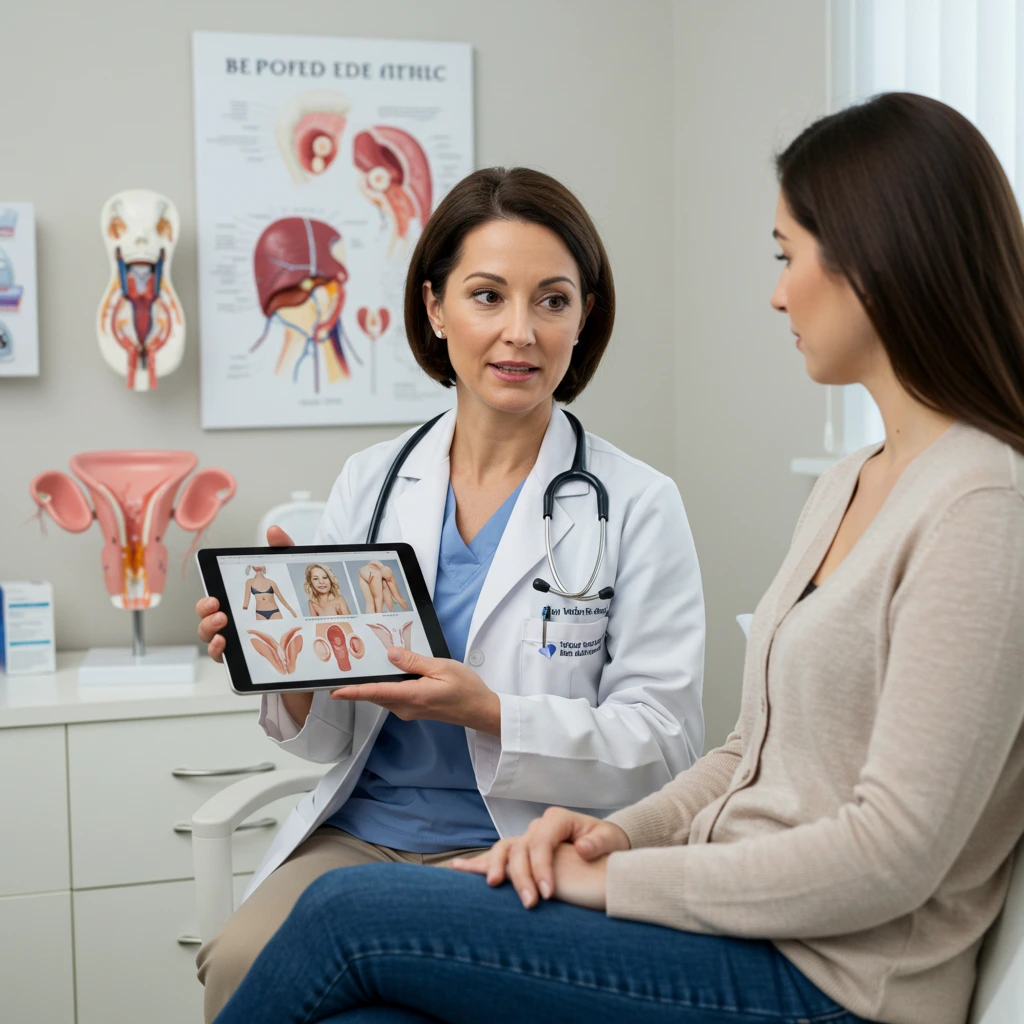
When starting fertility treatment, clarity is everything. But clarity rarely arrives easily. For many, IUI and IVF treatment sit at the centre of overwhelming decisions, each carrying its own promise and weight. IUI works with your body’s timing, adding just enough support to help things along. IVF takes more control, moving key parts of conception into the lab. Neither path is better by default. Each one depends on your diagnosis, history, and how much time matters to you right now. Before you choose, you need to know what happens step by step. Not the generic outline, but the actual process. The kind that makes you feel prepared, not just hopeful. IUI and IVF Are Not the Same Journey They may look similar on the surface. Both involve timing, tests, and hopes. But one works with your body’s rhythm. The other creates a controlled environment around it.To know which is right for you, you need to see what each one actually involves. Not the medical gloss, but the honest path ahead. What Happens During IUI Treatment? IUI is often where fertility care quietly begins. It follows the natural rhythm of your cycle but applies clinical precision at the most critical moment. The aim is clear but delicate. Help the sperm reach the egg with intention, not interference. Nothing is rushed. Nothing is random.Every step is measured to give nature its best possible chance without stepping over it. It is not about control. It is about timing. It is about working with your body while giving it just enough support to do what it is already trying to do. Step 1: Tracking Ovulation Your doctor starts by studying your cycle. You come in for scans and blood tests. Hormone levels are monitored. Follicles are measured. Some cycles include medication to help your body release an egg with more predictability. Everything builds toward one point: knowing exactly when ovulation will occur. Step 3: Insemination A soft catheter delivers the sample into your uterus. The procedure is quick and painless for most. No sedation is needed. No recovery is required. You walk out the same day, but mentally, the weight begins. You carry quiet hope and calculated restraint. Step 4: Waiting for Results The next two weeks are the hardest. You wait. You wonder. Every symptom is a signal, or maybe it is not. Some cycles include hormonal support to prepare the uterine lining. But the outcome rests in silence. A blood test will tell you what words cannot. Step 2: Preparing the Sperm On insemination day, your partner provides a semen sample. In the lab, the healthiest, most active sperm are selected. This preparation removes distractions and improves precision. The final sample is a concentrated group of sperm with one task: reach the egg. What Happens During IVF Treatment? IVF removes the unknowns. It brings conception into a space where timing is tracked, choices are clear, and each step is backed by science.Some couples start here. Others arrive after rounds of IUI. Either way, this is a process built for control, clarity, and results. Step 1: Ovarian Stimulation You begin daily hormone injections. Not to force, but to invite your body to produce more eggs than usual. The more eggs retrieved, the stronger your chances. Clinic visits become routine. Bloodwork and scans track progress. Dosages shift based on how your body responds. This is not passive. Every detail is adjusted in real time. Step 2: Egg Retrieval Once the follicles reach ideal size, a final injection matures the eggs. Timing matters. Thirty-six hours later, the retrieval happens. You arrive. Light sedation. A needle enters the ovaries to collect the eggs. The procedure takes fifteen minutes. You rest. You go home. One of the most important steps is now behind you. Step 3: Fertilisation In the lab, each egg meets sperm. Sometimes naturally. Sometimes through ICSI, where one sperm is injected into one egg with precision. Fertilised eggs begin to divide. Some thrive. Others stall. The lab watches, tracking cell growth and selecting the strongest embryos. There is no guesswork here. Step 4: Embryo Transfer Three to five days later, one embryo is chosen and placed into your uterus. The procedure is quick. No pain. No anaesthesia. You leave knowing everything possible has been done. Any extra healthy embryos are frozen. They are your backup plan. Your second chance, already waiting. Step 5: Hormonal Support and Confirmation Support begins immediately. Hormones help the embryo implant and stay. You follow your schedule. You wait. Two weeks later, a blood test confirms the outcome. If positive, support continues to help early pregnancy take hold. How Do You Decide Between IUI and IVF? You are not comparing treatments. You are weighing time, biology, risk, and hope. That demands more than a list of options. It demands clarity. IUI is usually offered when the diagnosis is unclear or the barrier is timing. It follows your natural cycle and is easier to repeat. But it depends on a lot going right on its own. IVF strips away the waiting. It takes over the process, step by step. It is often the better choice when time is running out, or when there is a known issue like low sperm count, endometriosis, or blocked tubes. Some couples start with IUI to keep it simple. Others skip it because they cannot afford to lose another month. The smarter decision is not the easier one. It is the one that gives you a real chance. You Deserve a Clinic That Puts You First Science matters. But so does the way you are treated during the process. Fertility care should never feel cold or rushed. At EvaWomanCare, we believe in clarity, compassion, and clinical expertise. You are not a file number. You are someone with real hopes and real questions. You deserve answers. You deserve support. Whether you are starting with IUI or stepping into IVF, we will guide you every step of the way. Book your consultation with EvaWomanCare today. Let’s move
How to Cure PCOD Problem Naturally and Get Pregnant?

You are not here for generic advice. You are here because something feels off. Your periods come late or not at all. Your energy dips without warning. Your attempts at conception have been met with silence, not success. PCOD does not show up overnight. It builds quietly, then suddenly takes control of your cycle, your skin, your weight, and your peace of mind. And when you want to get pregnant, that disruption becomes impossible to ignore. If you are searching for how to cure the PCOD problem naturally and get pregnant, you are in the right place. Because here is the truth most people never tell you. PCOD can be reversed. Not managed, not masked, reversed. Naturally. This is not a miracle plan. It is a grounded, biology-first approach built around how your body actually works. You are not broken. You are simply out of rhythm. Let’s restore it, step by step. What Is PCOD and Why Does It Affect Pregnancy? PCOD is a hormonal disorder where multiple follicles begin to grow but never mature. Without a mature egg, ovulation halts. When ovulation halts, conception becomes difficult. The core issue often starts with insulin resistance. Your body produces more insulin than it needs. That excess triggers higher testosterone levels. The hormonal balance breaks. Cycles become erratic. Fertility declines. But this condition is not set in stone. The body follows signals. Food sends signals. So do movement, rest, and stress. When these inputs shift, hormones begin to realign. Ovulation can restart. Cycles can be regulated. Pregnancy can become possible again. PCOD is not a permanent dysfunction. It is a system waiting for direction. With the right approach, the cycle does not just return. It rebuilds stronger. Can You Get Pregnant with PCOD Naturally? Yes, But Not Without Strategy Natural pregnancy is possible with PCOD. That much is true. But what most people miss is that hope alone does not restore ovulation. Strategy does. Most women with PCOD are told to shed kilos, pop pills, and stay patient. But that script skips over what is actually broken inside. The goal is not just to regulate your period. It is to rebuild the hormonal foundation that makes ovulation consistent. That requires patience. It also requires precision. You need to stabilise blood sugar, support adrenal health, and retrain your metabolism. Once that internal balance returns, your body begins to release eggs again. And when ovulation returns, conception follows. Step-by-Step: How to Cure PCOD Problem Naturally and Get Pregnant No gimmicks. No guesswork. Just clear steps that restore the biological rhythm required for conception. 1. Fix Insulin Resistance with the Right Nutrition Your hormones respond to instructions. Food is where those instructions begin with PCOD; clarity matters. Start with protein. Paneer, eggs, fish, and lentils keep blood sugar stable and reduce the chaos that triggers hormonal spikes. Bring in fats that do real work. Coconut, ghee, and soaked seeds repair cells, lower inflammation, and build the hormones your body lacks. Use carbs with intention. Millets, sweet potatoes, and red rice provide energy without the crash. Refined sugar does the opposite. Remove it completely. Fill your plate with fibre. Vegetables clear out excess estrogen and reset gut function, where hormonal repair begins. Never starve. Skipping meals sends your body into crisis mode. Reproduction shuts down first. This is not about eating less. It is about eating with precision. That shift rewires the system. Ovulation returns. Cycles regulate. And fertility becomes possible again. 2. Support Ovulation through Targeted Exercise Exercise should not exhaust you. It should regulate you. The goal is not weight loss. The goal is hormone repair. Strength training twice a week builds lean muscle and improves insulin response. Daily walks help regulate blood sugar and improve mood. Even twenty minutes makes a difference. Add gentle movement like yoga or mobility flows. These reduce cortisol, which in turn stabilises ovulation. Avoid overtraining. HIIT and extreme cardio can push your body into stress mode and disrupt hormones further. Align your workouts with your cycle. Rest more when energy dips and move more when you feel strong. The more you move with intention, the more your body begins to trust the process again. That trust is what brings your fertility back online. 3. Balance Hormones by Improving Sleep and Stress Sleep is not passive. It is the command centre for hormonal repair. Stress is not just pressure. It is a chemical alarm that keeps your body in defence mode. When you fix both, the body finally gets the signal to restore. Sleep seven to eight hours before midnight. That is when the hormonal reset kicks in. Shut off screens one hour before bed. Blue light keeps your brain alert and delays recovery. Make your room dark and silent. Light and noise stop your body from reaching deep sleep. Get outside early. Sunlight resets your internal clock and starts your hormonal rhythm. Breathe slowly for five minutes. It is the fastest way to lower cortisol without a pill. When the body feels safe, it stops resisting. Hormones flow. Ovulation returns. Fertility rises. The system realigns without being pushed./ 4. Track Your Fertility Signs Without Getting Obsessed Your body speaks. You just need to learn the language. Fertility tracking is not about control. It is about understanding the signals that show you are healing. Monitor your cervical mucus. Clear and stretchy fluid around mid-cycle indicates ovulation is near. Use a basal body thermometer. A small rise in temperature after ovulation confirms that it occurred. Do not rely on apps. PCOD makes cycles irregular, and digital predictions often mislead. Track your mood and energy. These are subtle but reliable indicators of hormonal changes. Keep a journal. Pattern recognition becomes easier when you record daily shifts. You are not tracking to catch your body slipping. You are tracking to celebrate when it starts getting it right. And those signs will come, slowly at first, then with clarity. How Long Does It Take to See Results? There is no universal clock.