
One month feels normal, the next feels like chaos – irregular periods can give your body a rhythm it never agreed to. It’s confusing, frustrating, and sometimes scary – not knowing whether it’s stress, hormones, or something more serious triggering the unpredictability.
From missed dates to frequent spotting and sudden gaps – irregular cycles often make everyday planning stressful and exhausting. Hormonal fluctuations, PCOS, thyroid issues, or even sudden lifestyle changes play a big role, but they’re easy to overlook when life stays busy.
We see women from across Navi Mumbai going through this – and no concern is ever too small or too late to address. At Eva WomanCare Clinic, we help make sense of these changes with gentle conversations and expert care that listens and guides.
Understanding Irregular Menstrual Periods
Some months flow smoothly, others leave you questioning your body’s rhythm. Irregular menstrual cycles can catch you off guard when you least expect it. Life in Navi Mumbai doesn’t pause – and neither should your comfort about your reproductive health.
At Eva WomanCare Clinic, we often see this pattern in women of all ages. Whether it’s unexplained delays or unusual bleeding, menstrual irregularities affect your peace of mind just as much as they affect your health.
- Signs of Menstrual Irregularity
You might not think much of light spotting, but your body could be waving a red flag. Spotting between periods, skipped menstruation, or delayed cycles longer than 35 days aren’t just inconvenient – they might point to deeper issues.
Notice sudden changes? Lighter bleeds, heavier flows, or a once-consistent routine now off track? These signs are your cue to listen closer and seek advice before things spiral emotionally or physically.
- Common Types of Irregular Menstruation
Each woman’s story is different, and so are the ways menstrual patterns shift. At our clinic, cases range from women skipping periods entirely (amenorrhea) to others visited by painful cramps (dysmenorrhea) every cycle.
Frequent periods, prolonged cycles, or unexpected bleeding between cycles can be disorienting. Recognising these early helps track changes and seek care personalised to your needs.
Health Conditions Linked to Irregular Periods
Many times, physical discomfort is just the surface – what lies underneath can be hormonal, structural, or linked to chronic conditions. Women often mistake signs for stress or busy routines, and delay care.
- Underlying Medical Causes
PCOS or thyroid disorders come up often in our consultations. These conditions mess with hormones, causing skipped periods or irregular bleeds. Ovarian cysts and fibroids too can change your body’s internal timing.
If you’ve been diagnosed with endometriosis, periods might become even more difficult to forecast or endure. Pinpointing the cause helps bring timely and targeted relief.
- Hormonal and Metabolic Influences
Sometimes, it’s not about an organ – it’s about a chain reaction. Hormonal imbalances disrupt the female hormonal cycle, making menstruation unpredictable.
Women managing diabetes or insulin resistance are more prone to irregular menstruation. Hormone therapy can also impact this delicate balance, triggering changes that are hard to manage without guidance.
When to See a Doctor for Irregular Periods?
Let’s be honest, most of us brush these issues under the rug. But certain symptoms deserve immediate attention before they complicate your health further.
- Warning Signs You Should Never Ignore
Heavy bleeding, especially with clots, is more than a monthly nuisance. If you experience sudden shifts in flow or severe pelvic pain, it may be time to pick up the phone.
Women with regular cycles suddenly facing irregularity might be facing unexpected changes inside. Don’t hesitate to reach out – even a quick chat can provide clarity.
- Time-Sensitive Indicators
If you’ve skipped menstruation for more than three months without being pregnant, that’s a sign worth acting on. It affects your energy, mood, and sometimes even your ability to conceive later.
At Eva WomanCare Clinic, we prioritise these concerns quickly and carefully – so you’re not left wondering what’s next without a plan.

Lifestyle Factors and Their Effects on Periods
Every decision you make – from your plate to your pillow – impacts your hormones. Fast-paced urban living doesn’t make it any easier to stay balanced.
- Changes Due to Habits and Environment
Weight gain or loss, disordered eating, or skipping meals can play havoc with your cycle. Over-exercising or neglected sleep also throws your internal rhythm off course.
Stress from work or family life? It’s one of the top silent disruptors we see in women across Navi Mumbai. Listening to your lifestyle can help understand the signals your body sends through menstrual shifts.
- Role of Medications and Birth Control
Hormonal birth control is meant to regulate – but sometimes, it surprises users with delayed or lighter periods. Emergency contraception can push your body off its expected schedule, leaving you anxious.
If you’ve recently started hormone therapy or switched medications, checking how it connects to your cycle is wise. We guide patients through each medicine’s possible effects with simple, clear explanations.
Risks of Ignoring Irregular Menstrual Symptoms
Delaying help might feel harmless until underlying conditions grow into long-term complications. Your cycle is a monthly indicator of body-wide wellbeing.
- Potential Long-Term Implications
Heavy periods over time can lead to iron deficiency or anaemia, causing tiredness and weakness. Irregular periods may also affect fertility, signalling problems with ovulation or premature ovarian failure.
We see women later in life regretting the delay in addressing early symptoms. Simple steps today can protect future health.
- Related Complications
Undiagnosed infections like pelvic inflammatory disease or fibroids go unnoticed when menstrual symptoms are ignored. Bleeding disorders too can hide behind what seems like a “slightly odd” cycle.
At Eva WomanCare Clinic, we keep your comfort and clarity at the centre – ensuring nothing serious slips under the radar.
Diagnostic and Treatment Options
You don’t need a scary test to get answers. A clear conversation with the right doctor can bring unexpected relief.
- Diagnosis and Evaluation
We start by helping patients track their menstrual cycle honestly – with notes on timing, pain, and flow. Blood tests and ultrasound imaging often give answers that symptoms alone can’t.
Your family’s health history also highlights potential root problems. A calm, attentive approach like ours helps connect the dots efficiently.
- Approaches to Treatment
Correcting hormones, adjusting lifestyle, or using medication with expert guidance – each plan is personalised. Our treatments range from minimally invasive surgery to tailored diet shifts.
Dr Grishma, with 25+ years of experience, walks women through each option with patience. We explain every step till you’re fully comfortable.
Age-Based and Situational Considerations
From the first period to menopause – every stage brings its own rhythm. Each age deserves thoughtful attention.
- Adolescents and Young Adults
Teen girls often have erratic cycles – it’s usually normal, but sometimes it’s not. Pressure from academics, body image, or stress can mix heavily with hormonal surges.
We guide teenage patients gently so they don’t feel judged – faith in their body builds from the first visit itself.
- After Childbirth and Into Midlife
After delivery, hormones reset with surprises. Breastfeeding delays periods for some; others face early signs of menopause in their 40s.
Whether it’s postpartum fatigue or perimenopausal confusion – we help women sail through these changes calmly and confidently.
FAQs
How long is too long for an irregular period?
If three cycles pass without menstruation and pregnancy is ruled out, it needs attention.
What if my periods vary sometimes but I feel fine?
Mild variation can be normal. But extremes in pain, volume, or delay call for consultation.
Should I worry if my cycle suddenly becomes irregular?
Yes, especially with other symptoms. Medical opinion removes guesswork.
What kind of doctor handles irregular periods?
A gynaecologist like Dr Grishma at Eva WomanCare Clinic specialises in such cases with detailed expertise.
Can my mood swings or headaches before periods be related?
Yes, menstrual migraines and mood shifts often connect with hormonal dips – especially close to your cycle.
Is it normal to have strong cramps always?
Pain with every cycle may signal conditions like endometriosis. Don’t live with it quietly – pain-free periods are possible with proper care.
Why Choose Eva Woman Care
Your comfort, privacy, and wellbeing are our top priorities. Located in Vashi, Navi Mumbai, our warm, modern clinic is led by Dr Grishma – a compassionate expert with 25 years in patient care.
We combine advanced treatments, emotional guidance, and personalised attention. From menstrual irregularities to fertility and pregnancy – our doors are always open.
Contact Us:
Shop No 7, Tulip Coop Housing Society, Plot No 132, near Tilak College, Sector 28, Vashi, Navi Mumbai-400703
Email: evawomancareclinic@gmail.com
Phone: 9967738303
Clinic Hours: Monday to Saturday: 09:00 am to 05:00 pm
Your Body Whispers Before It Shouts
Changes in your cycle don’t always mean something serious, but they aren’t to be brushed aside either. When your body’s rhythm starts to feel unfamiliar, it’s often an invitation to pay closer attention.
Trusting your instincts is key – if something feels off, it probably is. A consistent pattern of irregularity deserves more than just guesswork; it’s time to listen and act rather than just hope it passes.
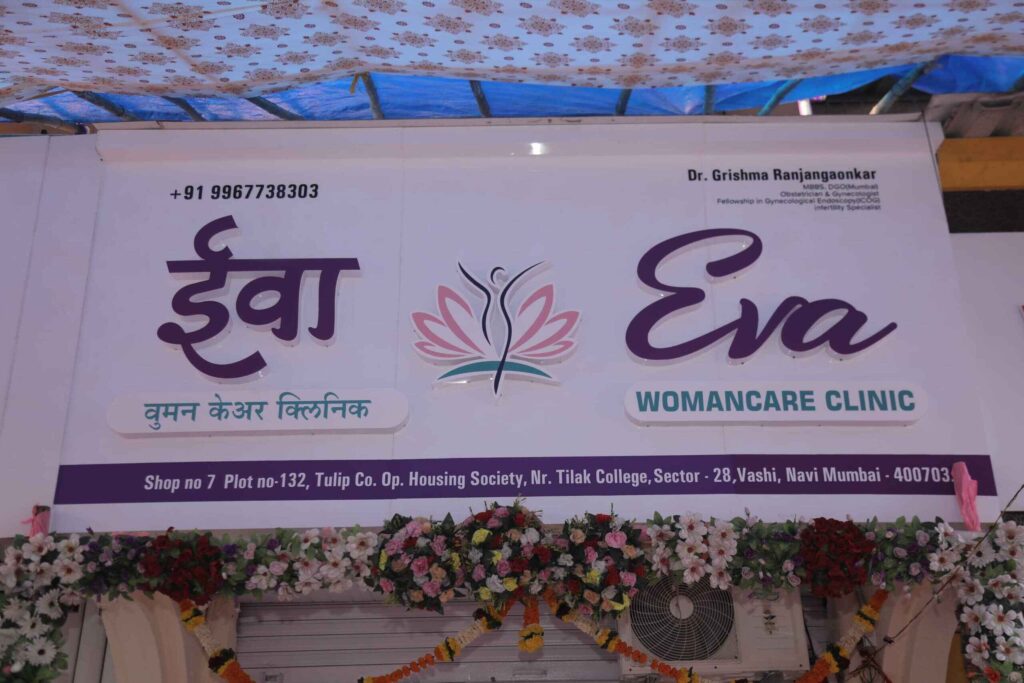
At Eva WomanCare Clinic, we guide women through these changes with warmth, expertise, and real answers. Let’s talk – we’re here for you.