
What Are the Best Treatments for Irregular Periods?

Your calendar shows date after date, but your period just refuses to show up on time – again! It’s frustrating, especially when uncertainty, cramps, or hormonal ups and downs disrupt your peace. (Problem-Agitate-Solution style) Sometimes it’s stress, PCOS, weight shifts, or even travel throwing things off. Finding what’s truly going on – and what helps – can feel like going in circles without answers. If you’re in Navi Mumbai and tired of second-guessing what your body’s telling you, we’re here to help. At Eva WomanCare Clinic, our specialists listen first, then personalise treatments backed by 11+ years of expertise. Understanding Irregular Periods Those dates on the calendar come and go, yet your period stays missing – or shows up when least expected. Each skipped or delayed period often leaves behind confusion and concern. At Eva WomanCare Clinic in Vashi, we know the importance of decoding what your body is trying to say. Irregular cycles aren’t just annoying; they can signal deeper changes tied to stress, hormones, or underlying conditions. Understanding your cycle helps us guide you towards steadier, healthier rhythms. Sometimes, it’s your own hormones playing musical chairs. PCOS and thyroid disorders often lead to unusually long gaps or erratic bleeding. For some women, menopause and perimenopause arrive early, bringing imbalance and change. Stress is another disruptive guest – shifting your cycle without warning. We also see lifestyle medications like antidepressants or emergency contraceptives triggering ovulation inconsistencies. At Eva WomanCare Clinic, our focus is to identify the exact reason before suggesting any treatment. If your periods skip months, arrive early, or shift without a pattern, your cycle is trying to get your attention. Mid-cycle spotting, especially when paired with cramps or mood changes, shouldn’t be brushed off. Even lighter-than-usual or unusually heavy bleeding may point to hormone imbalance. Keep track of your menstrual phases and how long each one lasts – a journal or app helps. This gives us valuable clues at Eva WomanCare to restore stable cycle timing. Teenage bodies often need time to adjust post-menarche, making irregular periods common – but watch out for skipping several months. In your 20s and 30s, stress, diet, or post-pregnancy shifts can make cycles unpredictable. As you near 40, perimenopausal changes bring shorter or longer cycles topped with new symptoms. Our clinic sees women across all stages, offering unique solutions for each phase – from teenage hormone support to menopause guidance. Medical Treatments for Irregular Periods When cycles veer off-track repeatedly, sometimes the body needs a bit of extra help to find balance again. At Eva WomanCare Clinic, we personalise treatments depending on whether the cause lies in ovulation, hormones, or something specific like PCOS. With over 25 years of hands-on experience, Dr Grishma crafts each treatment with both knowledge and compassion, ensuring minimal side effects and long-term relief. Some women benefit from oral contraceptive pills that regulate hormonal highs and lows. Others may need progesterone supplements to prepare the uterus correctly between cycles. If thyroid imbalance is behind the issue, we manage it through appropriate medication. For PCOD or infertility cases, ovulation-supporting drugs help stimulate proper egg release. Every prescription starts only after personalised evaluation at Eva WomanCare Clinic. For stubborn menstrual issues, we may recommend further examination. Laparoscopy allows a closer look without a major cut. Issues like fibroids or polyps are treatable with minimal discomfort using advanced tools. Gynaecological monitoring remains crucial for tracking how treatments are working. At Eva WomanCare Clinic, we regularly assess changes to avoid long-term complications and provide quicker relief. Natural Remedies and Holistic Approaches Some cycles respond better to age-old wisdom. By gently working from within, natural therapies offer rhythm without harsh impact. When our patients seek non-medical paths, we walk with them through every option – herbal, homeopathic, or dietary. Blending traditional knowledge with modern awareness, we help bodies find harmony the softer way. Diet and herbal suggestions Herbs like cinnamon, fennel, ginger, and turmeric help improve blood flow and reduce cramping. Foods like bitter gourd or unripe papaya, in controlled amounts, boost uterine function. For daily balance, simple additions like carrot juice or sesame-honey mix offer nutrients that support hormone health. Iron, vitamin D, and magnesium play a key part in avoiding fatigue and irregular bleeding. Our nutrition guidance at Eva WomanCare Clinic is easy to follow and designed to fit Indian diets. Yoga, acupuncture, and alternative therapies Therapies like yoga and acupuncture bring relief by calming the nervous system and stimulating hormone balance. Specific asanas work gently on the abdomen and help regularise ovulation. Acupuncture taps nerve points to reset hormonal messages to the brain. Even a simple breathing session can release stress, reducing the cycle’s irregular beats. These approaches are suggested at our Clinic as part of creating a holistic plan for women open to exploring non-invasive healing. Lifestyle Changes for Menstrual Regularity What you eat, how much you move, and how well you rest – these daily decisions shape your menstrual behaviour more than you think. We guide every patient to make meaningful shifts that support steady cycles. It’s about building a rhythm your body loves to follow. Exercise, weight management, and sleep A brisk walk, light yoga, or swimming regularly supports hormone balance. Being overweight or underweight can send signals to the brain that interfere with ovulation. Unbroken sleep for 7 to 8 hours brings down cortisol levels, which also stabilise your periods. At Eva WomanCare, we create simple, practical plans tailored to each body’s needs. Stress and emotional well-being Sometimes your period reflects the chaos in your mind. Stress pushes hormones out of sync, especially cortisol and estrogen. Techniques like meditation or talking to a therapist help reset internal calm. We listen to emotional struggles too – because healing is not just physical. At our clinic, mental health support is woven into treatment plans where needed. When to Seek Expert Help? Waiting it out doesn’t always work. At a certain point, irregular bleeding needs attention before it causes deeper health problems. Our clinic sees everyday cases,
What Causes an Irregular Menstrual Cycle and Its Treatment?

One skipped period might feel like no big deal – until it becomes your normal and the confusion begins to build. It’s upsetting when your cycle starts playing tricks on you, especially when you’re trying to plan your life around it. Between sudden stress, shifting hormones, or underlying health concerns, it’s tough to know what’s “typical” anymore. Understanding what’s throwing your rhythm off is the first step to finding relief and regaining control. At Eva WomanCare Clinic, we listen, guide, and offer care that fits your cycle, your body, and your life. With 11+ years of gynaecology experience, we help women across Navi Mumbai manage their health with confidence. Understanding Irregular Menstrual Cycles When your period stops following the calendar, it can leave you feeling frustrated and overwhelmed with confusion. Identifying the underlying reasons helps lift that emotional weight and allows you to feel in control again. Some women have cycles that feel like clockwork; for others, they’re unpredictable every month. The usual cycle lasts between 21 to 35 days, but a shift outside this range regularly is a clear sign of inconsistency. Missed periods, early starts, or extended delays signal your body’s internal clock is off-track. Regular ovulation may not occur, which often complicates plans to start a family or even manage premenstrual symptoms. Heavy bleeding requiring frequent pad changes or periods lasting longer than seven days makes daily life exhausting and messy. On the flip side, barely-there periods or missed cycles may feel like a lucky break but often signal hormonal issues. When flow ranges from floods to droughts with no rhythm, it’s tough to feel aligned with your body. Each change brings its own set of struggles – pain, embarrassment, uncertainty, and emotional unease. Primary Causes of Irregular Menstrual Cycles Many women ask what throws their cycle into chaos in the first place. It often comes down to internal shifts, daily habits, or deeper health concerns we don’t think about until something feels wrong. Conditions like PCOS cause estrogen and androgen imbalances, leading to inconsistent ovulation and delayed periods. Thyroid issues – whether underactive or overactive – disrupt menstrual hormones and can swing your cycle dramatically. As menopause approaches, your hormonal levels fluctuate wildly, causing both skipped and gathered periods closer together. This unpredictability can make you feel like you’re fighting your own biology. Rapid weight gain or drastic weight loss interrupts your body’s oestrogen levels, stopping cycles unexpectedly. A poor diet lacking in iron, vitamin D, or essential fats can send your hormones into disarray. Irregular workout patterns – overtraining or none at all – disrupt hormone balance and throw ovulation off course. Your body responds strongly to how you treat it. Unyielding stress spikes cortisol levels, throwing off estrogen and progesterone cycles. Work pressure, personal crises, or even ongoing anxiety can delay or hasten your period without warning. Ignored mental health concerns often ripple through your body physically. Emotional well-being directly influences hormonal harmony, and vice versa. Uterine conditions like endometriosis trigger intense pain and disrupt your natural menstrual pattern for months at a time. Fibroids might cause flooding one cycle, then near silence the next. Conditions like pelvic inflammatory disease or chronic illnesses can also tamper with period frequency and flow patterns. These issues often go unnoticed until symptoms persist or interfere with everyday life. Diagnosis of Irregular Menstrual Patterns Understanding your cycle is more powerful than it seems – it’s like being handed a blueprint to your body’s signals. With the right tools, diagnosis isn’t about waiting but taking action early. Evaluating Menstrual Health Tracking your menstrual cycle across months helps create a map of what’s typical for you. At Eva WomanCare Clinic, we gather your full medical background and symptoms during detailed consultations. We may suggest hormone testing and ultrasound scans based on irregularities, helping form a complete picture. This tailored approach sets a strong foundation for understanding what your body’s been trying to tell you. Treatment Options for Irregular Periods Treatment doesn’t mean suppressing symptoms – it means giving your body the rhythm it’s asking for. Whether you prefer medical support or natural rhythms, there’s an approach that aligns with your choices. Hormonal contraceptives like birth control pills regulate cycles by balancing your body’s internal hormone levels. For those needing alternatives, non-hormonal options treat specific symptoms without affecting ovulation patterns. Our diagnosis leads to curated treatment – no one-size-fits-all plans, only what fits your body and comfort. Dr Grishma also guides each medication decision with clarity and full transparency. Daily changes work wonders: a nutrient-balanced diet and moderate exercise steadies fluctuating hormones naturally. Reducing sugar intake and eating more whole foods helps support regular ovulation. Better sleep and learning simple stress-relief methods like journaling or hobbies can also stabilise your cycle. At our clinic, we tailor lifestyle advice that’s realistic for your routine, not a generic checklist. Herbal options like ashoka, ginger, or licorice are known to support hormonal health safely. Acupuncture aligns the body’s internal systems and offers gentle relief for long-term irregularities. Holistic support works best when guided correctly. We combine scientific care with trusted natural treatments for those seeking a slower, more natural path back to balance. Managing Daily Life with Irregular Periods When you don’t know when to expect your period, planning life becomes exhausting. The right support and small daily strategies make it easier to manage, emotionally and physically. Using a period diary or app helps you disconnect less from your cycle and observe new signs quickly. Even log mood swings or body changes – they show patterns before the cycle acts up. Recognising irregular flows or symptoms early means reaching out in time before they worsen. We help translate those notes into medical insights. Unpredictable ovulation makes pregnancy planning tougher, but not impossible with expert help. We offer personalised fertility plans, including tracking ovulation and follicular changes closely. Our fertility services support couples trying for a baby with patience and medical confidence. Our clients often feel reassured knowing what each option offers. If irregular
What Home Remedies Work for Irregular Menstrual Cycles?

Some days it’s your body, some days it’s the calendar – and sometimes, both just don’t sync. The stress of guessing when your period arrives and dealing with unexpected flow can leave you tired, confused, and frustrated. We hear it all the time – sudden delays, mood swings, or missed periods without warning are more common than you’d think. From shifting hormones to hectic routines, so many small things toss your cycle off track. At Eva WomanCare Clinic, we blend 11+ years of medical expertise with warmth and understanding to help women feel balanced and supported. If you’re in Navi Mumbai and looking for answers, we’re here with personalised care that listens and heals. Understanding Irregular Menstrual Cycles One day it’s a regular schedule, the next it’s late, early, or barely there at all. That inconsistency can feel frustrating and hard to predict. Most women experience changes at different stages of life, but knowing what’s typical and what’s not can help ease the worry. Sudden gaps between periods, periods twice a month, or unexpectedly long cycles – these are all considered irregular. Some may also notice much heavier or lighter flow than usual, or bleeding that lasts oddly short or long. Recognising these signs early can help manage them better. Hormonal roles are strong here – PCOS, thyroid issues, or even sudden weight changes disrupt the rhythm. Birth control pills, emotional stress, or long illness may also disturb hormones. Tracking patterns helps spot the reason behind it so it becomes easier to treat. Menstrual shifts tend to begin in the teen years, appear again after childbirth, and fluctuate nearing menopause. Changes can also show up with age as hormones settle differently. What’s important is watching how long the change continues and seeking help if you are uneasy. Dietary and Nutritional Remedies Food can play a powerful role in steadying your monthly rhythm. A few small tweaks to meals often make more difference than expected – especially when done regularly. Leafy vegetables like spinach, lean meats, nuts, seeds, whole grains, and healthy fats such as coconut and olive oil help nourish hormones that keep periods consistent. A fibre-rich, nutrient-packed plate is simple but dependable for cycle health. Refined sugar, white flour, fried snacks, and sugary beverages tend to confuse hormone signals. These foods can also increase inflammation and body stress, which in turn may delay or distort periods. Cutting down on packaged items often brings quick cycle benefits. Key vitamins like Vitamin D, magnesium, and calcium help stabilise hormones. Omega-3s – found in flaxseeds and fish – support regular ovulation. These nutrients don’t just support periods but also mood, sleep, and overall energy. Supplements can assist if diet alone isn’t enough. Fennel, parsley, and cinnamon teas are gentle choices known to support monthly balance. Sipping a warm infusion daily, especially during the second half of the cycle, helps soothe cramps and regulate flow. They are calming for both mind and body. Effective Herbal and Kitchen-Based Remedies Simple items from your spice shelf and fruit basket can act as regular cycle boosters. These aren’t exotic ingredients – they’re often lying unnoticed at home. Cinnamon encourages flow, turmeric eases pain, ginger supports timing, and aloe vera soothes the uterus. These natural helpers blend easily into meals or teas. Using them together brings gentle support without harsh chemicals or side effects. Green papaya, often eaten raw, supports uterine contractions. Banana flower mixed with yoghurt works on progesterone balance. Sesame and flaxseeds, ground fresh, can be added to dough or salads for support through hormone cycles. These bring subtle but steady improvements. Mint leaves calm digestive and reproductive systems. A warm drink made with coriander or cumin seeds can encourage delayed flow. Jaggery with ginger helps increase warmth inside the body, especially useful if cycles pause during winter months. Yoga and Exercise Practices Body movement isn’t just great for strength or weight – it helps align the hormonal cycle with nature’s rhythm. A bit each day can go far. Yoga poses like Supta Baddha Konasana, Bhujangasana, and Vajrasana help pelvic circulation and soothe cramps. Practising after ovulation days boosts oxygen flow to reproductive organs. These gentle stretches don’t just enhance flexibility but bring mental calm too. Simple routines like walking, swimming, or light aerobics help maintain metabolic balance and insulin sensitivity. These indirectly aid cycle consistency. 30 minutes a day brings solid benefits without overtaxing the body. Skipping exercise or going extreme can both unsettle periods. Balanced activity supports the brain signals that control hormones. The goal is steady consistency and enough movement that carries the body without burdening it. If you want to understand the best options for your health, we’re here to help you feel balanced and confident again. Managing Stress and Improving Sleep A stressed mind often shows up in the form of a delayed or jumbled cycle. Mental rest plays just as important a role as physical healing. Meditation or focusing on one’s breath helps soothe hormone-disrupting cortisol levels. Just 10-12 minutes a day builds inner calm and emotional steadiness, supporting a smoother monthly rhythm. Practices like Pranayama and body scanning before bed quiet mind chatter. They help reduce anxiety before periods and support better rest. Only a few minutes are needed to notice the difference. Quality sleep encourages balance. Around 7-8 hours nightly helps stabilise key hormones. Keeping a regular sleep schedule and avoiding bright screens at bedtime makes it easier for the body to repair and regulate on time. Weight and Hormonal Balance Body weight deeply affects cycle health. Whether too much or too little, balance here can directly support regular periods. Sudden weight gain or loss can delay ovulation. Getting to a healthy weight, and maintaining it, helps cycles stay consistent and restores hormone harmony. PCOS benefits from daily movement and blood sugar control. Reducing refined carbs and including mindful meals can bring improvement within a few months. Strength walks and light stretches work well alongside nutritional changes. Avoiding plastics, reducing caffeine, and aiding liver function with
What is NPOL in Pregnancy?

One moment, everything feels normal, and the next, a scan shows something unfamiliar: NPOL. This tiny abbreviation causes big anxiety, especially when you’re expecting clarity, not confusion. We understand that fear deeply and personally. You may hear doctors mention fluid levels, measurements, or placenta issues without clear answers – leaving you overwhelmed. Sometimes, you just want someone to break it down simply, without the jargon or cold explanations. If you’re pregnant and living in Navi Mumbai, you’re never alone in this. At Eva Woman Care, we walk with you, explain everything clearly, and offer care that makes you feel seen and safe. Understanding NPOL in Pregnancy Definition and Meaning Hearing “NPOL” for the first time can feel like the room suddenly went silent. NPOL refers to “Nonreassuring Pattern of Labour” during pregnancy, especially close to delivery. It signals a possible issue in the baby’s condition while still in the womb. This term typically arises during antenatal testing or when scanning fetal responses. Doctors use it to summarise findings when the baby’s wellbeing isn’t where it should be, helping guide proper care decisions. Purpose and Significance Late pregnancy is delicate, and NPOL makes every heartbeat count double. Identifying it matters most in the third trimester, when the baby’s environment should be at its safest. NPOL may indicate that the baby isn’t receiving enough oxygen or showing normal signs of comfort inside the womb. This diagnosis can be especially critical in women with gestational issues or high-risk pregnancies. Spotting it early helps doctors prevent complications before they escalate. Diagnostic Tools and Monitoring Methods Common Assessment Methods Doctors often begin by checking the baby’s comfort in easier ways. A Non-Reactive NST, or Non-Stress Test, tracks the baby’s heart rate when it moves. If the heart rate stays low or flat, that signals concern. Kick count charts enable mothers to track movements at home, noting any changes. When there’s uncertainty, a Biophysical Profile (BPP) combines ultrasound and NST, helping evaluate breathing, movement, muscle tone, and fluid – all signs of the baby’s strength inside the womb. Advanced Monitoring Techniques If the basics show concern, then a deeper look begins. Obstetricians may use detailed obstetrical ultrasounds to study organ growth and the surrounding fluid. Doppler velocimetry checks if the placenta is supplying enough nutrients through the umbilical cord. In some cases, continuous fetal heart monitoring becomes necessary to track patterns during rest and movement. These tools help doctors understand how the baby deals with stress or reduced oxygen inside the womb. Causes Associated with NPOL Maternal Conditions Sometimes, NPOL traces back to the mother’s health. Conditions like gestational diabetes and pregnancy-induced hypertension interrupt the baby’s steady nourishment. Excess body weight and habits like smoking affect how blood and oxygen reach the baby, too. When these factors combine, the uterus might feel more like a challenge than a home for the growing baby. That’s when careful monitoring becomes even more important to keep things on track. Fetal and Placental Factors While maternal issues play a role, some causes belong to the baby or the placenta. Intrauterine Growth Restriction (IUGR) and an unhealthy placenta can limit oxygen supply. Sometimes, the umbilical cord might coil in a way that reduces blood flow. These situations create an environment where the baby starts showing distress. Early identification of these issues keeps the focus on timely decisions and tailored care that protects the baby’s life and comfort. Management and Next Steps Medical Interventions Once NPOL is clearly identified, doctors monitor closely. If signs don’t improve within 24 to 48 hours, delivery may be required. Depending on severity and the baby’s condition, an induction or even a cesarean section becomes the next step. In these cases, the baby often needs extra support from the NICU after birth. Our team at Eva Woman Care is ready for such calls – equipped and calm, knowing that fast action saves lives. Lifestyle and Supportive Measures Care goes beyond machines. Consistent prenatal visits and balanced meals are the quiet heroes. Staying active under guidance helps too. Practices like prenatal yoga and childbirth education bring calm and clarity. Expectant mothers in Vashi can attend sessions at our clinic that include both care and learning. Nutritional support, mental wellness checks, and timely testing form the base of a healthy final trimester, helping reduce risk and boost confidence. Understanding Prognosis and Outcomes Short-term Impacts NPOL can sometimes cause sudden changes during labour. If the baby doesn’t cope well with labour stress, it may lead to fetal distress, prompting an urgent need for emergency delivery. This can also increase the risk of complications such as breathing difficulties or lower birth weight. That’s why a birth plan should always remain flexible and ready for the unexpected. With an experienced team like Eva Woman Care, these critical moments can feel far more manageable and supported. Long-term Considerations Recovery begins once the baby arrives safely, but the effects of NPOL can continue beyond birth. Babies born early may require regular check-ups to monitor weight gain, feeding, and potential infections. Mothers, too, need emotional support in addition to medical guidance. Postpartum care, lactation counselling, and routine follow-ups play a vital role in ensuring both mother and baby recover well. At Eva Woman Care, we provide ongoing support beyond delivery care that understands and nurtures both the medical and emotional aspects of the journey. Frequently Asked Questions What to expect if diagnosed with NPOL? A diagnosis of NPOL means closer watch on your baby’s health. You’ll likely undergo repeated scans and possibly delivery planning discussions depending on test results. Does NPOL always indicate fetal distress? Not always. Sometimes it’s temporary and improves with rest, oxygen support or a change in maternal position. Doctors monitor patterns before labelling it critical. How often should fetal heart rate be tracked during late pregnancy? Usually, once a week from 36 weeks if there’s a concern. But in high-risk cases, it may be checked every 2–3 days at our clinic with NST and scans. Can NPOL be turned into
When Should You See a Doctor for Irregular Menstrual Periods?

One month feels normal, the next feels like chaos – irregular periods can give your body a rhythm it never agreed to. It’s confusing, frustrating, and sometimes scary – not knowing whether it’s stress, hormones, or something more serious triggering the unpredictability. From missed dates to frequent spotting and sudden gaps – irregular cycles often make everyday planning stressful and exhausting. Hormonal fluctuations, PCOS, thyroid issues, or even sudden lifestyle changes play a big role, but they’re easy to overlook when life stays busy. We see women from across Navi Mumbai going through this – and no concern is ever too small or too late to address. At Eva WomanCare Clinic, we help make sense of these changes with gentle conversations and expert care that listens and guides. Understanding Irregular Menstrual Periods Some months flow smoothly, others leave you questioning your body’s rhythm. Irregular menstrual cycles can catch you off guard when you least expect it. Life in Navi Mumbai doesn’t pause – and neither should your comfort about your reproductive health. At Eva WomanCare Clinic, we often see this pattern in women of all ages. Whether it’s unexplained delays or unusual bleeding, menstrual irregularities affect your peace of mind just as much as they affect your health. You might not think much of light spotting, but your body could be waving a red flag. Spotting between periods, skipped menstruation, or delayed cycles longer than 35 days aren’t just inconvenient – they might point to deeper issues. Notice sudden changes? Lighter bleeds, heavier flows, or a once-consistent routine now off track? These signs are your cue to listen closer and seek advice before things spiral emotionally or physically. Each woman’s story is different, and so are the ways menstrual patterns shift. At our clinic, cases range from women skipping periods entirely (amenorrhea) to others visited by painful cramps (dysmenorrhea) every cycle. Frequent periods, prolonged cycles, or unexpected bleeding between cycles can be disorienting. Recognising these early helps track changes and seek care personalised to your needs. Health Conditions Linked to Irregular Periods Many times, physical discomfort is just the surface – what lies underneath can be hormonal, structural, or linked to chronic conditions. Women often mistake signs for stress or busy routines, and delay care. PCOS or thyroid disorders come up often in our consultations. These conditions mess with hormones, causing skipped periods or irregular bleeds. Ovarian cysts and fibroids too can change your body’s internal timing. If you’ve been diagnosed with endometriosis, periods might become even more difficult to forecast or endure. Pinpointing the cause helps bring timely and targeted relief. Sometimes, it’s not about an organ – it’s about a chain reaction. Hormonal imbalances disrupt the female hormonal cycle, making menstruation unpredictable. Women managing diabetes or insulin resistance are more prone to irregular menstruation. Hormone therapy can also impact this delicate balance, triggering changes that are hard to manage without guidance. When to See a Doctor for Irregular Periods? Let’s be honest, most of us brush these issues under the rug. But certain symptoms deserve immediate attention before they complicate your health further. Heavy bleeding, especially with clots, is more than a monthly nuisance. If you experience sudden shifts in flow or severe pelvic pain, it may be time to pick up the phone. Women with regular cycles suddenly facing irregularity might be facing unexpected changes inside. Don’t hesitate to reach out – even a quick chat can provide clarity. If you’ve skipped menstruation for more than three months without being pregnant, that’s a sign worth acting on. It affects your energy, mood, and sometimes even your ability to conceive later. At Eva WomanCare Clinic, we prioritise these concerns quickly and carefully – so you’re not left wondering what’s next without a plan. Lifestyle Factors and Their Effects on Periods Every decision you make – from your plate to your pillow – impacts your hormones. Fast-paced urban living doesn’t make it any easier to stay balanced. Weight gain or loss, disordered eating, or skipping meals can play havoc with your cycle. Over-exercising or neglected sleep also throws your internal rhythm off course. Stress from work or family life? It’s one of the top silent disruptors we see in women across Navi Mumbai. Listening to your lifestyle can help understand the signals your body sends through menstrual shifts. Hormonal birth control is meant to regulate – but sometimes, it surprises users with delayed or lighter periods. Emergency contraception can push your body off its expected schedule, leaving you anxious. If you’ve recently started hormone therapy or switched medications, checking how it connects to your cycle is wise. We guide patients through each medicine’s possible effects with simple, clear explanations. Risks of Ignoring Irregular Menstrual Symptoms Delaying help might feel harmless until underlying conditions grow into long-term complications. Your cycle is a monthly indicator of body-wide wellbeing. Heavy periods over time can lead to iron deficiency or anaemia, causing tiredness and weakness. Irregular periods may also affect fertility, signalling problems with ovulation or premature ovarian failure. We see women later in life regretting the delay in addressing early symptoms. Simple steps today can protect future health. Undiagnosed infections like pelvic inflammatory disease or fibroids go unnoticed when menstrual symptoms are ignored. Bleeding disorders too can hide behind what seems like a “slightly odd” cycle. At Eva WomanCare Clinic, we keep your comfort and clarity at the centre – ensuring nothing serious slips under the radar. Diagnostic and Treatment Options You don’t need a scary test to get answers. A clear conversation with the right doctor can bring unexpected relief. We start by helping patients track their menstrual cycle honestly – with notes on timing, pain, and flow. Blood tests and ultrasound imaging often give answers that symptoms alone can’t. Your family’s health history also highlights potential root problems. A calm, attentive approach like ours helps connect the dots efficiently. Correcting hormones, adjusting lifestyle, or using medication with expert guidance – each plan is personalised. Our treatments range from minimally
NT NB Scan in Pregnancy
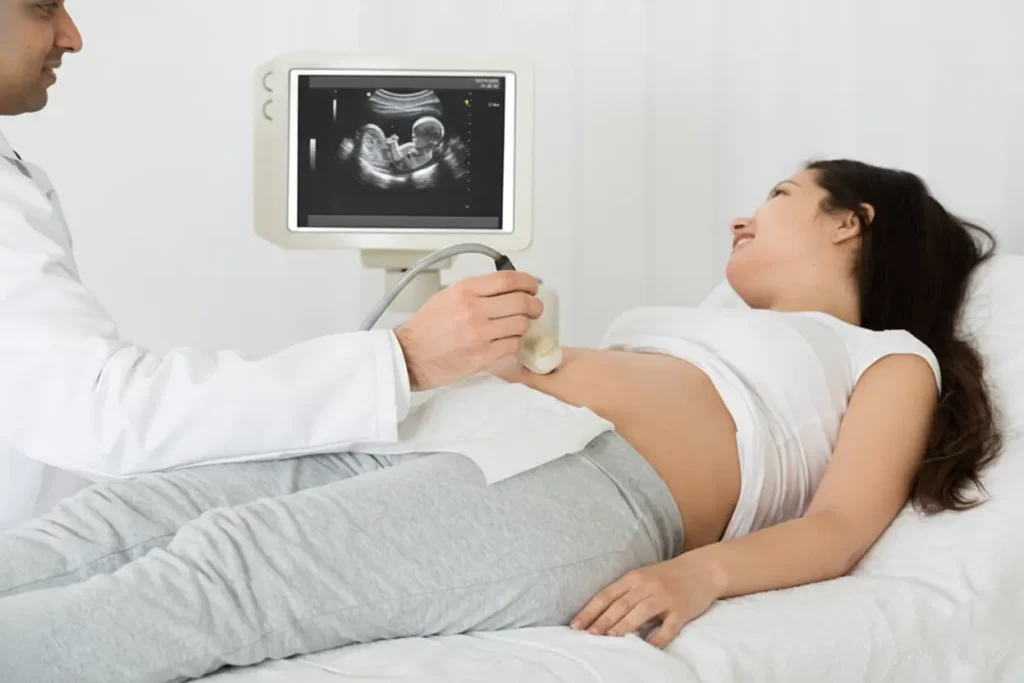
Pregnancy brings excitement – along with plenty of questions that can feel overwhelming without the right guidance. Worrying about your baby’s health, especially in the first trimester, can quietly steal the joy from these precious weeks. This is where NT NB scan steps in, giving peace of mind by checking the baby’s early development and detecting possible concerns. Timing, accuracy, and understanding the process matter a lot, but unfamiliar medical terms can make it all feel confusing. If you’re pregnant and unsure about what scans you need and when, we totally understand. At Eva Woman Care, we guide you with expert clarity, gentle support, and 11+ years of experience you can trust. What is an NT NB Scan in Pregnancy You might’ve heard of the NT NB scan during your early doctor visits, but you didn’t get a full picture of its role. It combines the Nuchal Translucency Scan and Nasal Bone Assessment as a part of the first trimester scan between weeks 11 to 13+6. It helps assess if your baby might have a higher chance of chromosomal conditions like Down syndrome. At Eva Woman Care in Vashi, we make sure every expecting parent understands its impact and how it supports early care plans. Key Purpose of the NT NB Scan The value lies in what this early scan can tell us. The NT NB scan screens for potential genetic conditions such as Down syndrome or Edwards syndrome. The measurement of fluid under the baby’s neck and the presence of the nasal bone gives clues we can’t get from blood tests alone. Combined with your history and other results, it paints a clear picture of your baby’s condition during a critical stage. When and How It Is Performed Timing is pretty specific for this scan to work best. It’s usually done between 11 weeks to 13 weeks and 6 days of pregnancy. Using an abdominal ultrasound, we gently take live images of your baby’s profile and measure certain features. It’s outpatient and non-invasive, taking roughly 20 to 30 minutes without causing discomfort. At Eva Woman Care, we ensure the experience is as relaxed and reassuring as possible. What Is Measured During the Scan During the scan, we focus on three major things. First is the thickness of fluid at the back of the baby’s neck – known as the nuchal translucency. Second, we look for the nose bone, an important marker in identifying chromosomal concerns. Lastly, we check that your baby’s heartbeat is healthy and strong. All these things together give insight into how your baby is developing in the first trimester. Importance and Benefits of NT NB Scan An early peek into your baby’s wellbeing gives comfort like nothing else. Through the NT NB scan, we’re able to understand your baby’s development and uncover concerns early enough to act. Early Risk Detection Knowing sooner helps you make smarter decisions. This scan helps detect potential genetic changes that could point towards conditions like Trisomy 18 or Patau Syndrome. Those at high risk can then take the next best step quickly with options like non-invasive prenatal testing. Dr. Grishma Ranjangaonkar ensures you receive clear guidance throughout with honest advice based on decades of experience. Assessing Overall Fetal Health The NT NB scan doesn’t stop at risk screening. We can observe early signs of healthy growth such as fetal heart rate, organ structure, and head-to-body ratio. Tracking these starting points helps confirm that your little one is coming along nicely at this stage. If there’s anything needing extra attention, we’re ready to handle it with personalised care. Contribution to Pregnancy Management Planning your journey becomes easier with clear information on hand. A high-risk result from this scan might change how often you’ll need follow-ups or what other tests we advise next. Some parents might get referred for further chromosome analysis or genetic counselling. At Eva Woman Care, our aim is always to keep you informed and relaxed every step of the way. What Happens After the NT NB Scan Once the scan is done, what comes next is just as important. We believe each result should lead to more confidence – not more worry. Understanding the Results Each NT NB scan report comes with interpreted scores. You’ll see terms like “low”, “moderate”, or “high” risk – these guide what the next action should be. Numbers such as the NT measurement in millimetres or risk ratios help outline the baby’s chance of a genetic condition. We take time to walk you through each part and answer anything unclear, without the medical jargon overload. Recommendations Based on Findings Depending on the results, further tests might be suggested. This could include non-invasive prenatal testing or sometimes even a referral to a genetic specialist. Instead of leaving you guessing, we talk about what each suggestion means and whether it’s necessary. You’ll always feel in control of your pregnancy plan with Dr. Grishma’s help. Emotional and Practical Support It’s easy to feel anxious after any screening test. That’s why we also support parents emotionally, helping them focus on baby bonding along with tests. Planning your next steps, understanding odds, or even organising your pregnancy calendar gets better with calm, compassionate help. We’re here not just to treat, but to care – just like a trusted friend would. NT NB Scan Compared to Other Scans It isn’t just another scan on the checklist. It’s unique in what it looks at and when it’s done. Difference from Routine Ultrasounds Normal check-up scans check growth, while the NT NB scan goes deeper. Instead of looking at the organs alone, it focuses on the baby’s chromosomal condition. It happens earlier and gives time to plan ahead, something later scans may not offer. That’s why it appears separately in your scan schedule. Integration with Pregnancy Scan Timeline This scan links smoothly with the rest of your pregnancy care. First comes the NT NB scan, followed later by a detailed anomaly scan around 18-20 weeks. Each scan connects like stepping stones
Is a 1st Trimester Pregnancy Diet Chart Needed?

Those first few weeks of pregnancy can feel like magic and madness all at once. Between nausea, mood swings, and sudden food cravings, figuring out what to eat becomes more confusing than comforting – especially when nutrition feels like a full-time job. (Problem-Agitate-Solve: You want to eat right, but not knowing what’s right makes every bite feel like a guess.) Some days, toast might feel like the only thing you can handle, while on others, you’re questioning if papaya is off-limits or not. That’s exactly where a 1st trimester pregnancy diet chart can make a real difference, helping you balance your baby’s nutritional needs with your own energy levels. Instead of guessing, you get gentle guidance on what to include, what to limit, and how to make every meal count without stress. At Eva Woman Care, we’re here to clear the fog and make this feel easy again. We’ve helped hundreds of Navi Mumbai mums just like you feel confident, cared for, and fully supported in every trimester. Key Nutrients Required in the 1st Trimester The first few weeks can feel like a blur of excitement and sudden food dislikes, but your little one’s development begins now. The right nutrients can lay the foundation for your baby’s brain, bones, and tiny organs. Vital Vitamins and Minerals Folic acid takes centre stage here. Found in spinach, lentils, and oranges, it protects your growing baby from neural tube defects. Calcium works closely with Vitamin D to form those tiny bones and teeth your baby will soon grow, so add milk, curd, and a bit of sunlight to your routine. Iron found in dates, spinach, and jaggery helps avoid fatigue and supports blood supply to your baby. Don’t forget zinc – whole grains and seeds cover that need beautifully. Macronutrient Needs Your baby’s cells and tissues are built on what you eat. Protein from lentils, paneer, tofu, and eggs lays the groundwork. Carbs keep your energy stable, so look for oats and brown rice that digest slowly. Dietary fibre from vegetables and whole fruits keeps digestion ticking and gas away. Try almond oil or fish for omega-3s and manage fat intake with dairy and nuts. Each plays a part in keeping both you and baby energised. Daily Diet Chart for the 1st Trimester Planning your daily meals makes food choices easier and nausea manageable. A consistent meal chart keeps balance even on unpredictable days. Sample Meal Plan Breakdown Start breakfast with moong chilla, upma, or paratha with curd. Fruit like banana or apple adds sweetness and fibre. For lunch, go with dal, rice or roti, subzi, and salad. Add curd for digestion. Dinner should stay light – vegetable soup, khichdi, or soft roti with sabzi helps ease digestion before sleep. Space your meals every 3-4 hours to maintain sugar levels and avoid acid reflux. Snack Options and Recipes Mid-morning snacks like soaked almonds or coconut water with murmura help you stay hydrated and curb nausea. In the evening, settle with roasted makhanas or a small bowl of poha. If nausea hits, keep some lemon water or ajwain tea close by. One quick recipe: mash a banana with a spoon of peanut butter and top it with chia seeds. Easy, filling, and full of nutrients. Diet Tips to Manage 1st Trimester Symptoms From morning sickness to sudden queasiness and cravings that come out of nowhere – it all begins here. Food can either hurt or heal in these moments. Addressing Common Discomforts Coconut water, cucumber slices, and soups help with hydration when nothing else goes down. Dry snacks like khakhra or toast first thing in the morning can soothe that nauseous feeling. Toss in some ginger tea or fennel to calm your digestive tract. If certain smells or foods suddenly make you turn away, substitute them. Instead of eggs, try lentils. Instead of milk, try nut-based alternatives. Keep switching till your taste settles. Combating Fatigue and Digestive Issues Lentils, beetroot, and raisins can put iron and strength back in your system. Cabbage, carrots, and fruits like guava offer fibre to ease constipation. For heartburn, spread your meals out and avoid spicy foods just before bedtime. Include fennel seeds, cumin, and a pinch of ginger which help control acidity. Keeping small gaps between meals can reduce that burning sensation. Foods to Avoid in the 1st Trimester Everyone seems to offer advice – some helpful and some confusing. But there are certain foods that need to stay off your plate for now. Harmful and Risk-Prone Foods Say no to raw or half-cooked meats, runny eggs, or sushi – they carry bacteria dangerous to your baby. Anything with too many preservatives like packaged chips or sauces lowers food quality and impact. Unwashed fruits or street salads might bring hidden troubles. When unsure, wash, steam, or skip. Better safe than sorry in these early weeks. Dietary Restrictions and Lifestyle Adjustments Coffee lovers, cut back to one mild cup or switch to green tea or warm lemon water. If you’re sensitive to gluten or lactose, try ragi, bajra, amaranth, and almond milk. Don’t fall for myths like “eat for two” or skipping papaya entirely – the facts matter. Focus on balanced choices and avoid hearsay. Talk to our team at Eva Woman Care to clear doubts backed by experience, not fear. Supplements and Hydration in Early Pregnancy Even the best meals sometimes miss a few nutrients. That’s where smart supplementation and good hydration come into play. Necessary Supplements and Vitamins A good prenatal multivitamin everyday is a smart move. It answers for days when your appetite isn’t your friend. Iron keeps your strength up while DHA supports your baby’s brain. Ask our gynaecologist Dr. Grishma Ranjangaonkar about adding iodine and Vitamin D – they work together to balance metabolism and bone health. Always take supplements with food for better absorption and gentler digestion. Hydration and Liquid Intake About 10-12 glasses of water a day keeps headaches, dizziness, and constipation away. If plain water feels boring, try fruit-infused water,
What Causes Vaginal Dryness?

One day everything feels fine down there-then suddenly, intimacy feels dry, irritating, and even painful. It’s more common than you’d think, yet so many silently struggle, unsure why their body feels different or “off.” Hormones, stress, medications, or even breastfeeding can lead to vaginal dryness, and its emotional effects can be just as frustrating. It can chip away at confidence, comfort, and your sense of well-being. At Eva WomanCare Clinic, we’ve seen how deeply this affects daily life, and we’re here to help you find relief. Let’s walk together towards comfort, balance, and better intimate health. Understanding Vaginal Dryness 1. What is vaginal dryness and how does it manifest? That itching or pulling feeling down there isn’t always just in your head. Vaginal dryness often begins with a constant sense of dryness, even when you’re not being intimate. You may feel irritation or a burning sensation while sitting or walking. During intercourse, it can cause pain or discomfort. Tightness, slight bleeding, or even a raw feeling also show up, especially with minimal arousal lubrication. These symptoms might come and go or linger longer with time. 2. Vaginal dryness during different life stages Changes in hormones at different stages of life often turn moisture into a concern. During perimenopause or menopause, declining hormones cause noticeable intimacy discomfort. After childbirth, especially breastfeeding, natural lubrication reduces as hormone levels adjust. With age, especially postmenopause, some women develop atrophic vaginitis-thinning and inflammation-leading to constant irritation and reduced flexibility of vaginal tissues. 3. Estrogen’s role in vaginal lubrication Estrogen isn’t just about periods, it’s what keeps those intimate tissues soft and hydrated. As it drops, blood flow to vaginal walls reduces. Mucosal glands produce less secretion, and without lubrication, tissues become thinner and more fragile. This hormone also helps maintain elasticity; without it, everything feels tighter and less forgiving. Medical and Hormonal Causes 1. Hormonal fluctuations and imbalances Hormones go through waves, but some shifts feel more like storms. During menopause, estrogen dips cause direct changes in vaginal health. Endocrine conditions like PCOD or thyroid disorders throw hormone levels out of balance. Breastfeeding or postpartum hormonal changes can also trigger noticeable dryness, especially when periods haven’t resumed yet. 2. Medications and therapies that affect hormones Sometimes the very treatment you rely on affects lubrication. Cancer therapies like chemotherapy or radiation often change vaginal structure and hormone reception. Certain antihistamines, antidepressants, and acne medications may reduce overall moisture. Hormonal contraceptives, especially low-estrogen pills, sometimes lessen natural vaginal wetness. 3. Health conditions impacting hormones or immune system When immune systems go off-track, they may affect glands responsible for lubrication. Autoimmune diseases like Sjogren’s reduce vaginal secretions significantly. Endocrine disorders, including issues with thyroid or adrenal glands, interrupt regular hormone signals. Many experience dryness as a side effect of the body attacking its own systems, particularly affecting moisture levels. Lifestyle and Environmental Considerations 1. Improper vaginal care and chemical irritants Trying to stay clean can sometimes cause more harm than good. Scented soaps, oils or intimate washes disturb the natural home of good bacteria. Tight clothes and synthetic fabrics trap heat, upsetting pH levels. Douching flushes away protective oils and bacteria, making vaginal tissues more prone to dryness and discomfort. 2. Dehydration, diet, and lifestyle habits What goes in shows up internally too. Dehydration reduces natural moisture including vaginal secretions. Skipping essential fats, Vitamin E, or omega-3 rich foods starves the cells that rely on nourishment. Too much caffeine and alcohol disrupt hydration levels and make dryness worse. 3. Impact of stress or anxiety Ever feel too tense to even relax your body? Mental stress impacts physical comfort deeply. Stress lowers libido and thus arousal-based moisture. Chronic anxiety tightens pelvic muscles, reducing relaxation needed for pleasurable intimacy. Even mild stress can subtly affect sexual readiness and lubrication levels. Ageing and Vaginal Changes 1. Age-related tissue and blood flow reduction As the body gets older, so does every cell-including intimate ones. Elasticity fades as collagen and elastin reduce. Nerve endings lose their responsiveness, blunting sensitivity. Decreased blood supply also means less warmth and readiness, reducing natural lubrication in daily life or intercourse. 2. Shift in vaginal microbiome balance The good bacteria inside the vagina matter more than we think. With age, Lactobacillus levels drop. This shift creates a less acidic environment, which encourages dryness and even increases risks of infection. Without proper pH balance, the natural moisture flow struggles to keep up. Impact on Sexual and Relationship Health 1. Vaginal dryness and intercourse discomfort Dryness can quickly steal the joy from intimacy. Without enough moisture, penetration becomes painful. Anticipation may fade as arousal no longer leads to automatic lubrication. This disconnect often reduces satisfaction, leaving both partners confused and emotionally disconnected. 2. Emotional intimacy and relationship issues Silent pain breeds misunderstanding. Some partners may assume rejection, while others hesitate to initiate. This creates a quiet wall of distance even in caring relationships. Open conversations, backed by trusted medical advice, can ease the emotional strain. Treatment and Preventive Solutions 1. Over-the-counter and prescription treatments You don’t always need something complicated to feel relief. Personal lubricants-water, oil, or silicone-based-offer immediate comfort. Daily vaginal moisturisers work beyond intimacy, keeping tissues soft and hydrated. Topical estrogen creams or suppositories can also be prescribed for long-term relief. 2. Hormonal and non-hormonal medical therapies Various options exist beyond regular creams. Local estrogen therapy helps stimulate tissue repair and improve elasticity. Systemic hormone therapy offers broader hormonal balancing for menopausal women. Non-hormonal options like ospemifene or estrogen-free gels suit those avoiding hormone-based solutions. 3. Natural and lifestyle-based remedies Nature offers gentle help. Aloe vera boosts healing and hydration. Omega-3s and flaxseed oil support cell repair and softness. Soy contains phytoestrogens that mimic light estrogen effects. Staying hydrated, moving daily, and eating a balanced diet all contribute to better intimate health. Diagnosis and Medical Evaluation 1. Recognising when to seek a doctor’s help If dryness persists and affects life or intimacy, it’s time for a consultation. Pain or
What can Cause Miscarriage in Early Pregnancy?

One moment you’re thinking of baby names, the next you’re gripped by a fear you didn’t expect. Miscarriage in early pregnancy can feel like your world paused, and worst of all – you’re left searching for answers, lost and aching. Sometimes it’s irregular chromosomes, sometimes it’s a hormone imbalance, and sometimes there’s no clear cause. That’s what makes it so heartbreaking – when you’re doing everything ‘right’, yet it still feels like the ground shifts beneath you. At Eva WomanCare Clinic, we walk with women just like you every single day. Our personalised support and medical expertise help you find clarity, confidence, and comfort, no matter where you are in your pregnancy journey. Key Medical Causes of Miscarriage in Early Pregnancy Early miscarriage can feel like everything changed before it even truly began. Knowing the root cause brings some clarity. At Eva WomanCare Clinic, we focus on identifying specific medical triggers so we can guide you from confusion to understanding. 1. Chromosomal and genetic abnormalities The majority of early miscarriages are linked to chromosomal mix-ups-extra or missing pieces of DNA. These random errors prevent the baby from developing normally. In some cases, inherited genetic disorders passed from parents can raise the chances of miscarriage without giving much warning. We help identify these through genetic testing if needed. 2. Hormonal and immune system imbalances Our bodies need the right hormonal balance to carry a pregnancy successfully. Low levels of progesterone, or a confused immune system attacking the embryo can quietly affect early stages. Conditions like antiphospholipid syndrome make the blood sticky, increasing miscarriage chances. Dr Grishma offers targeted hormone and immune screenings to catch these early. 3. Uterine and cervical issues The shape and strength of the uterus and cervix matter more than you think. Structural concerns like fibroids or a septate uterus can interrupt embryo implantation. A cervix that shortens too early can silently open the doorway to loss. We ensure such concerns are addressed with safe techniques including imaging and minor surgeries. Risk-enhancing medical conditions Your overall health creates the foundation for a safe start. Some long-standing conditions may quietly raise risks without giving obvious signs-especially in early pregnancy. 1. Chronic illnesses Conditions like uncontrolled diabetes or high blood pressure can cause complications, even before visible symptoms arise. Thyroid imbalance or kidney disease can influence embryo development or hormone levels. Our evaluation plans at Eva WomanCare Clinic help manage these before they threaten a pregnancy. 2. Maternal age and history Women above the age of 35 often face increased risks due to changes in the egg quality. Previous pregnancy losses can hint at underlying, unresolved reasons. We go beyond charts by studying individual histories and offering personalised guidance through every stage-right from the first visit. Lifestyle and environmental factors Habits built over the years can either protect or put a pregnancy at unnecessary risk. Even the smallest behaviour changes can make a big difference early on. 1. Harmful habits and exposures Smoking, drug usage, and alcohol create an unsafe environment for embryo development. High doses of caffeine can also act as silent disruptors. Our counselling sessions help reset lifestyle choices through doable steps while providing medical alternatives for habits that are tough to break. 2. Nutritional and weight concerns Undernourishment or extreme diets weaken the body’s pregnancy preparation. Sudden weight loss or obesity can disturb hormonal rhythm needed in the early weeks. We offer sustainable food planning with practical support that suits both routine and budget at our Navi Mumbai clinic. Infections and medications Some infections and common medicines may quietly interfere with early development before a clear symptom appears. Acting early through check-ups is key. 1. Infections and viral conditions Listeriosis from unpasteurised food, rubella, or untreated STIs can harm the fetus or placenta silently. We perform targeted screening and vaccinations for viral threats once pregnancy is confirmed or even before conception. 2. High-risk medications Strong painkillers like NSAIDs, acne medicines, or herbal remedies without regulation can unknowingly disrupt pregnancy in its initial stage. We always recommend a medicine review and prescribe alternatives that are pregnancy-safe. Signs and symptoms of early miscarriage Your body often whispers before anything is clearly wrong. Recognising the initial signs can improve how swiftly medical help is given. 1. Physical indications Light bleeding or persistent cramping in the lower back and pelvis could suggest early issues. Sometimes these signs are harmless, but checking in rules out risk. Chemical pregnancies, where pregnancy ends before it grows further can present this way. 2. Hormonal and pregnancy symptom changes Sometimes symptoms such as soreness, morning sickness, and fatigue suddenly stop. If you notice greyish tissue or fluid discharge, it’s best not to wait. At Eva WomanCare Clinic, we offer prompt scans and explanations to remove every inch of doubt. When to seek medical care No intuition replaces the calm that comes from clarity. Early medical care clears confusion and helps prevent repeat losses. 1. Initial medical response If there’s a known or suspected loss, we use ultrasound and hormone-level checks (like hCG) to confirm. Whether it’s a hormone issue or implantation problem, we explain the results in digestible terms-something our Navi Mumbai patients value. 2. Emergency conditions Seek help if you face heavy bleeding, severe abdominal pain or shoulder pain. These could be signs of ectopic pregnancy; when the embryo attaches outside the uterus. We’re trained to act fast and gently steer recovery. Treatment and recovery post miscarriage Recovery deserves time, space, and guidance. It’s not just about medical steps-it’s about you feeling strong in your own rhythm again. 1. Medical procedures Options depend on how the miscarriage happens: natural expulsion, medicines to assist, or a brief surgical clean-up. We always explain every path, listen patiently, and only proceed when you’re comfortable. 2. Physical and fertility restoration Most women heal within a few weeks. Fertility usually returns in one or two cycles. We walk with patients through pre-conception readiness: blood work, ovulation checks, and emotional preparedness with expert planning for next steps. Emotional and
What are 5 Signs of Pregnancy?

That funny feeling in your body, like something’s shifted but you can’t quite explain it, can leave you wondering. You’re not alone if you feel confused, hopeful, or even anxious; early pregnancy signs can feel like your body’s playing tricks. Sometimes it starts with a missed period, but other times the changes are so subtle they feel like whispers. Between bloating, breast tenderness, or sudden mood shifts, it’s easy to feel unsure what’s really going on. At Eva WomanCare Clinic, we care for women through every question, every symptom, and every stage-especially when things feel uncertain. If you’re in Navi Mumbai and curious about pregnancy signs, we’re here with answers and support you can count on. Common Early Signs of Pregnancy Feeling like something is different, even before a missed period, is more common than people think. Whether it’s extra tiredness, a strange taste in the mouth, or spotting cramps that aren’t your usual period pangs, your body may be trying to tell you something. These early signs hint at the incredible changes beginning inside. At Eva WomanCare Clinic, we help you make sense of every nuance at this delicate stage. Let’s look at the most common early signs that could point to a pregnancy. 1. Missed Period This is often the first sign that makes you pause and check the calendar again. Missing your period might mean pregnancy, especially if your cycle is usually regular. But it can also be disrupted by stress or hormone changes. If you’ve noticed your period is late and you’re feeling “off,” it’s time to consider other clues your body might be giving. 2. Nausea and Morning Sickness Some smells suddenly turn your stomach, or you feel queasy before even leaving bed. Nausea often starts around week four, though many experience it earlier or at different times in the day. It’s a classic signal and tends to get stronger around the fifth week of pregnancy. Carrying dry snacks or sipping on ginger tea can sometimes help ease the discomfort. 3. Breast Tenderness and Changes Your breasts may feel swollen, heavy, or extra sensitive, even before you suspect anything else. A tingling sensation or a change in the size of the areola may be among the earliest signs. These physical shifts are driven by hormones preparing for what’s ahead. At Eva WomanCare Clinic, our team often hears this clue from women even before they take a test. 4. Fatigue If getting out of bed feels like climbing a mountain, you’re not imagining it. A sudden wave of tiredness is common around the fifth week. Rising progesterone levels make your body slow down and conserve energy. It’s your body’s way of adjusting to major internal changes already underway. 5. Frequent Urination Running to the bathroom more often than usual? Early pregnancy affects kidney efficiency and increases blood flow, triggering this frequent urge. As the uterus grows, even slightly, it also begins pressing on the bladder. This tends to get noticed around the fifth week, sometimes catching women by surprise. Related Early Pregnancy Symptoms Some symptoms might not seem obvious at first but offer more clues if you’re paying attention. These are less talked about yet just as important. Many women at Eva WomanCare Clinic share stories of food cravings or unusual emotional bursts that made them pause and wonder. 1. Food Aversions or Cravings One day you love paneer, the next you can’t stand the smell of it. Shifting taste preferences can be sudden and dramatic. Around the fifth week, your body might crave certain foods or reject others entirely. Such shifts in appetite are experienced by nearly half of pregnant women. 2. Light Spotting or Cramping Noticing a faint pink or brown stain can be scary, but not all spotting means danger. Implantation bleeding can cause light spotting in early pregnancy and usually resolves within a day or two. It’s different from period flow and often comes with mild cramping. However, if bleeding increases, a doctor’s visit is wise. 3. Bloating and Gas If your jeans feel tighter despite eating normally, it isn’t just a food baby. Bloating mirrors PMS but is amplified during pregnancy due to hormonal changes. These changes slow your digestion, causing gas and a full feeling. This can be among the first signs around week five. 4. Mood Swings Feeling like crying one minute and laughing the next? Hormone surges around week five can create emotional ups and downs similar to PMS. At Eva WomanCare Clinic, we often suggest journaling or light walks to patients who need help managing mood swings naturally in early pregnancy. Confirming Pregnancy You’ve noticed changes, but how do you know for sure? Confirmation gives peace of mind and helps you plan the next steps. At Eva WomanCare Clinic in Navi Mumbai, our personalised diagnostic support ensures you get clear, timely answers. 1. At-Home Pregnancy Tests These kits are easy and accessible. They detect hCG, the hormone released during early pregnancy. Testing after your missed period gives more accurate results. If unsure, test again in 2 to 3 days or visit Dr Grishma for confirmation and guidance on your next steps. 2. Visiting Your GP or Gynaecologist Especially if symptoms are confusing or if you’re experiencing light spotting, a doctor visit helps. A blood test or early ultrasound will confirm pregnancy and check the location of implantation. Eva WomanCare Clinic offers warm, detailed consultations tailored to your exact signs and cycle history. 3. Lab and Ultrasound Confirmation When symptoms don’t align or if there’s concern of ectopic pregnancy, extra confirmation is needed. Ultrasound and lab tests offer a clearer picture. Around the fifth week, it helps check for a developing gestational sac and heart activity. Dr Grishma’s experience ensures your safety at each step. Common Bodily Changes at 5 Weeks The fifth week subtly introduces changes that often go unnoticed unless you’re aware. We help you tune into what your body is saying, even when it whispers. 1. Abdominal Sensation You may feel