Contraception Advice in Vashi, Navi Mumbai
Dr. Grishma Ranjangaonkar offers private, unhurried contraception advice in Vashi, covering the pill, Copper T and longer-term options, so the method you choose fits your health and your plans.
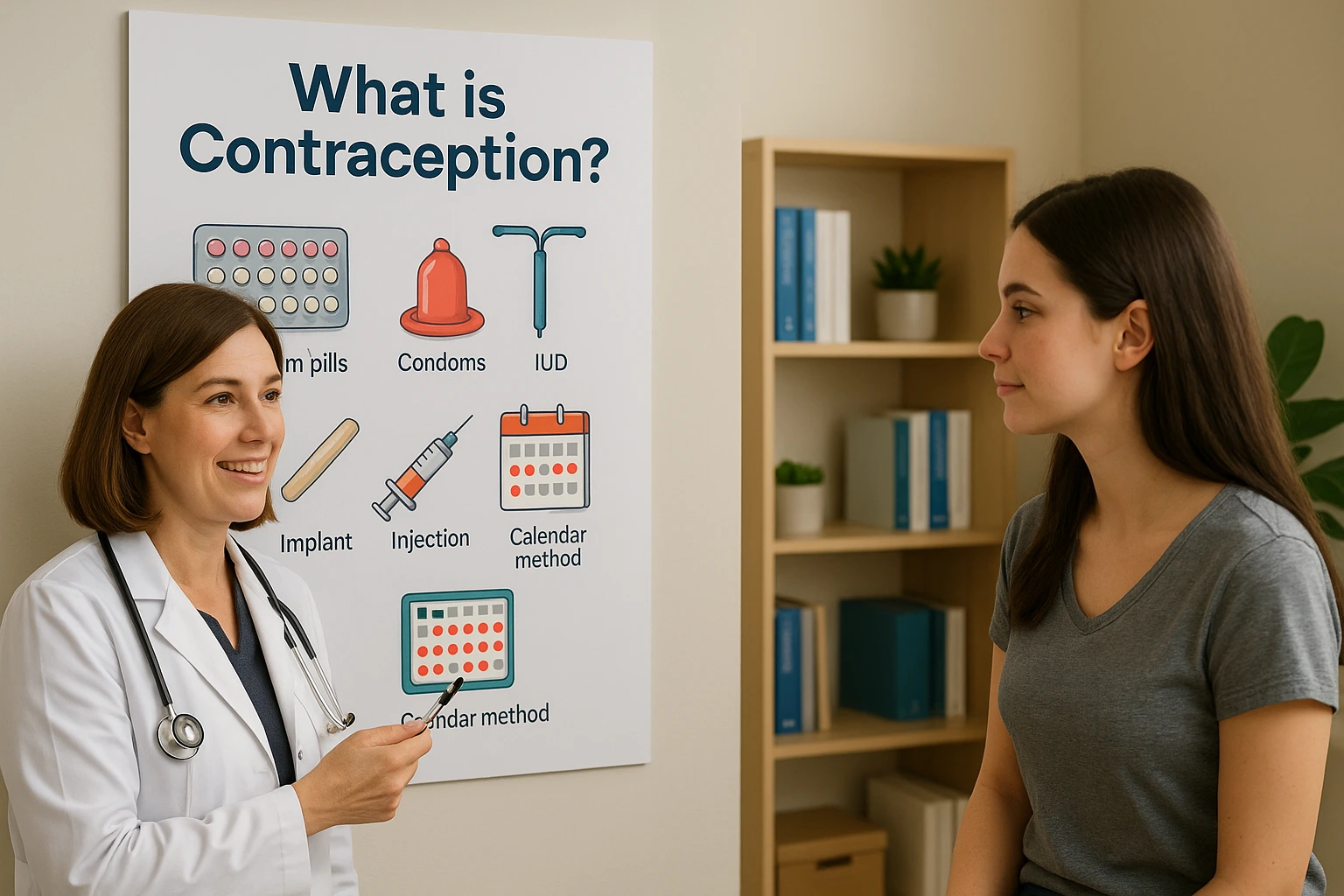
What is Contraception?
Contraception means any method used to prevent pregnancy, so you can decide if and when to have a child. Methods differ in how they work, how long they last and who they suit. At Eva WomanCare Clinic, family planning advice for women and couples in Navi Mumbai begins with your health and plans. Our contraception guide compares every option in detail.
Types of Contraception Methods
Contraceptive Pills (The Pill)
The contraceptive pill is a daily tablet. Combined pills contain estrogen and progestin, which stop ovulation and thicken cervical mucus. Progestin-only pills suit women who cannot take estrogen.
- Benefits: Very reliable when taken correctly, can regulate periods and often eases cramps.
- Considerations: Must be taken at the same time daily. Nausea, headaches or mood changes can occur, and it does not suit everyone.
IUD or Copper T (Intrauterine Device)
An IUD is a small, T-shaped device placed in the uterus. The copper type, known in India as Copper T, is hormone-free and stops sperm from fertilizing an egg. The hormonal type releases progestin.
- Benefits: Lasts 3 to 10 years depending on the device, needs no daily attention and is removable when you wish to conceive.
- Considerations: Fitted and removed by a doctor. Copper T can make periods heavier or crampier at first, with a small risk of infection or displacement.
Contraceptive Injections
The contraceptive injection contains a progestin hormone and is given once every three months. It prevents pregnancy mainly by stopping ovulation.
- Benefits: Each injection protects for about three months, with nothing to remember daily.
- Considerations: Periods may become irregular or stop, some women gain weight, and fertility can take several months to return.
Contraceptive Implants
A contraceptive implant is a small, flexible rod placed beneath the skin of the upper arm. It releases progestin steadily and lasts up to 3 years.
- Benefits: Nothing to remember once fitted, and fertility returns soon after removal.
- Considerations: Fitted and removed by a trained doctor under local anesthetic. Irregular bleeding or spotting is common.
Barrier Methods (Condoms, Diaphragms)
Barrier methods include male and female condoms and the diaphragm, which physically stop sperm from reaching the egg. Only condoms also lower the risk of sexually transmitted infections (STIs).
- Benefits: Hormone-free, used only when needed, and condoms add protection against STIs.
- Considerations: Must be used correctly every time, so they fail more often than pills or long-acting methods. Diaphragms give no STI protection.
Sterilization (Permanent Contraception)
Sterilization is permanent: tubal ligation for women and vasectomy for men. It is for those who are sure their family is complete.
- Benefits: A one-time procedure for couples certain they do not want another pregnancy.
- Considerations: Treat it as irreversible, so counseling comes first. After vasectomy, another method is needed until a semen test confirms success.
How to Choose a Contraceptive Method That Suits You
No method suits everyone. The choice depends on your health, how soon you want a pregnancy and what you can keep up with.
Dr. Grishma usually goes through these points before suggesting an option.
What Shapes the Choice
- How soon you hope to conceive, if at all
- Blood pressure, migraine, past blood clots, smoking and regular medicines
- A recent delivery or current breastfeeding
- Heavy, painful or irregular periods
- How easily you could remember a daily tablet
- Whether you also need protection against infections
What Happens at a Contraception Consultation
Your first family planning visit generally lasts 30 to 45 minutes.
1
A Private Conversation
You discuss your periods, past pregnancies, medical history and what you want from contraception. Bring earlier records and current prescriptions.
2
A Health Check
Blood pressure and weight are usually checked. An internal examination or scan is advised only when relevant, such as before a Copper T fitting.
3
Method and Follow-Up
You leave with clear instructions on starting the method, likely side effects and when to return.
Why Choose Eva WomanCare for Contraception Advice in Vashi?
Contraception is a personal decision that deserves time and privacy. Here is what to expect at our Vashi clinic:
An Experienced Gynecologist
Dr. Grishma Ranjangaonkar (MBBS, DGO) has 15+ years of experience and checks your medical history before recommending any contraceptive.
Short-Term and Long-Term Options
Pills, Copper T and hormonal IUDs, injections, implants, condoms and permanent methods are all available through the clinic, for spacing children or lasting protection.
Personalized Care and Guidance
Your age, health, breastfeeding status and pregnancy plans shape the recommendation. The decision stays yours, and your partner is welcome to join.
Private and Comfortable Consultations
Every consultation is confidential. You can speak in English, Hindi or Marathi and ask anything openly.
Choose Your Contraception With Confidence
Talk it through with a gynecologist backed by 15+ years of experience.
Our Testimonials
Kind Word from Patients
Posted on Google
 Sutapa Das
Trustindex verifies that the original source of the review is Google.
Dr Grishma is a very good and kind hearted Dr...I know her personally...She tooks proper care and satisfied with her guidance. Highly recommend her...Posted on Google Pravin NaskarV goodPosted on Google
 Sunil YadavNice 👍👍👍👍👍👍Posted on Google
 rajkumar yadavDr.Grisma is excellent gynecologist at Vashi.She is very gentle and expert in her field. Her staff is also very friendly and caring. She always attends each patient with patience and proceeds with the treatment with proper guidance. Very much satisfied with her excellent care and treatment for my wife. I wish to thank her from the bottom of my heart for diagnosing the disease on time and providing proper care and treatment. Don't hesitate to visit her clinic.Posted on Google
 Faran KhanDr. Grishma rajgaonkar mam well done treatment and done blood test and screening test from beside Metropolis centre very well known company for accuracy and quick reports.Posted on Google
 Rupesh Gadeखूप छानPosted on Google
 Mk KumawatI had a good experience with my doctor. She is very helpful to me. She understands my problem very well.Posted on Google
 Yash ShitoleGood guide
Common Questions About Contraception
What is the best contraceptive method?
No single method is best for everyone. The right one depends on your age, health, breastfeeding and how soon you want a pregnancy. During contraception advice at our Vashi clinic, Dr. Grishma explains the options that fit you.
How effective is the contraceptive pill?
The pill is very reliable when taken exactly as prescribed. In everyday life it protects less well, because tablets get missed, and vomiting, diarrhea or some medicines can interfere. If you often forget tablets, a Copper T may suit you better.
Is the contraceptive pill safe?
For most healthy women the pill is safe. Combined pills are usually avoided after a blood clot, with migraine with aura or uncontrolled high blood pressure, and in smokers over 35. Tell your doctor about these and any regular medicines.
How long does it take for the pill to work?
It depends on when you start. A combined pill begun in the first five days of your period usually works straight away. If you start on any other day, use condoms as well for the first 7 days. Progestin-only pills differ, so follow your doctor’s instructions.
What is emergency contraception and when should it be taken?
Emergency contraception is a back-up after a split condom, missed pills or unprotected sex. The emergency pill should be taken as soon as possible, and within 72 hours of the unprotected sex. A Copper T fitted within five days also works. Emergency pills are not for regular use and do not end an existing pregnancy.
Which contraception is safe after delivery and while breastfeeding?
Pregnancy can happen before your first period returns, so plan early. Condoms, Copper T and progestin-only methods generally suit breastfeeding mothers, while combined pills are usually delayed for the first six months of breastfeeding. Timing can be discussed during post-delivery care visits.
Is Copper T insertion painful?
Copper T insertion takes a few minutes and is done by a doctor after an examination. Most women feel period-like cramps during the fitting and for a day or two after. See a doctor promptly if you have severe pain, fever, foul-smelling discharge or heavy bleeding afterwards, and go to a hospital emergency department if the clinic is closed.
Will contraception affect my chances of getting pregnant later?
Reversible methods do not harm long-term fertility. Fertility usually returns quickly after stopping the pill or removing a Copper T or implant, but can take several months after the injection. A preconception care visit helps when you are ready to try.