
Minimally Invasive Gynecology Surgery in Vashi, Navi Mumbai
What is Minimally Invasive Surgery in Gynecology?
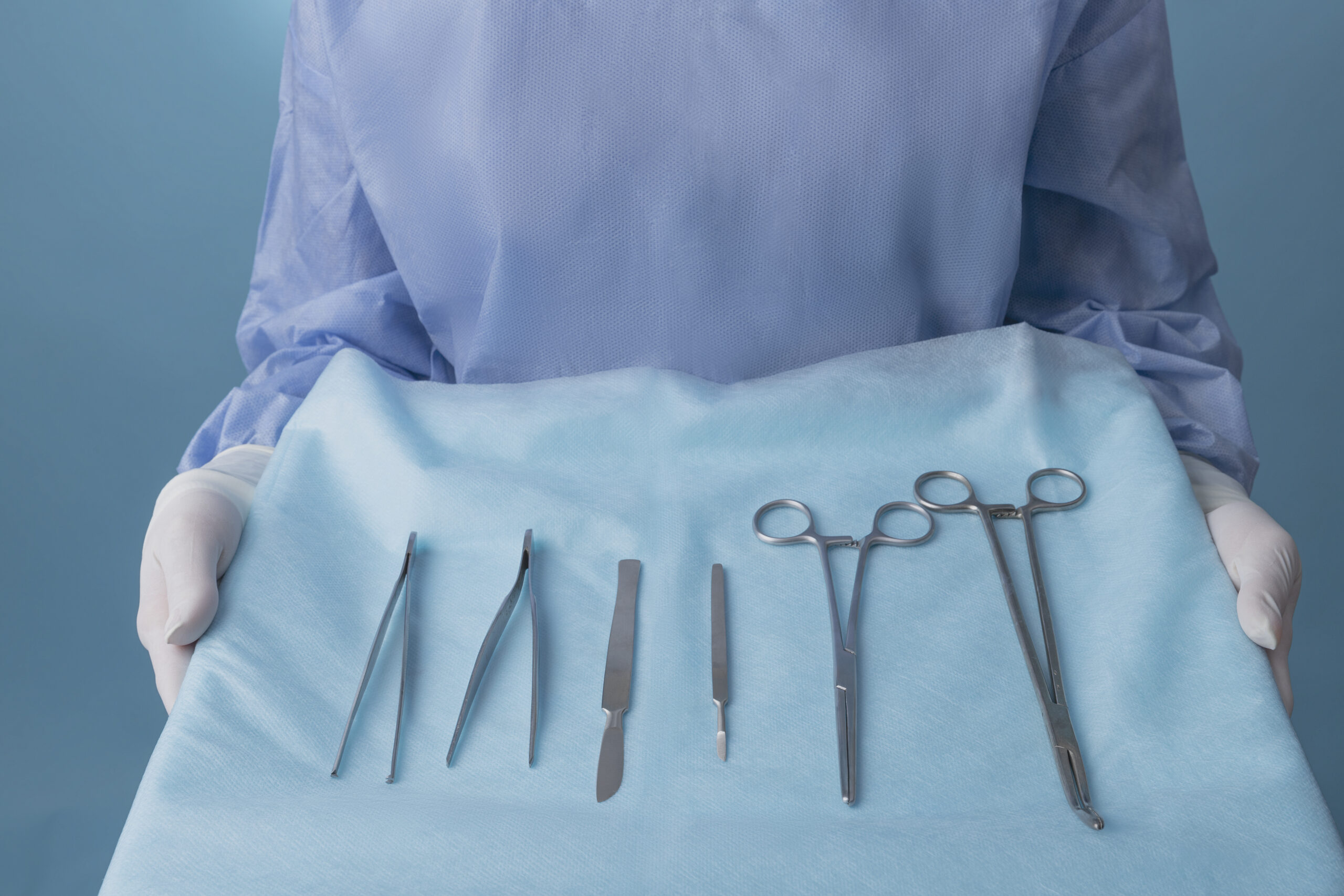
Minimally invasive surgery in gynecology means operating through very small cuts, or no cut at all, guided by a slim camera. The two main forms are laparoscopy, through small cuts in the abdomen, and hysteroscopy, through the vagina and cervix into the womb.
At Eva WomanCare Clinic, minimally invasive gynecology surgery in Vashi is considered for fibroids, ovarian cysts, endometriosis, polyps and similar conditions when an operation is the right step.

Keyhole Surgery Led by an Endoscopy-Trained Gynecologist
Dr. Grishma Ranjangaonkar, MBBS, DGO, leads keyhole surgery for the clinic’s patients. She holds a Fellowship in Gynecological Endoscopy (ICOG) and has 15+ years of experience. Women looking for minimally invasive gynecologic surgery in Navi Mumbai can see her at the Vashi clinic. Operations are carried out in a hospital chosen with you, according to the facilities your operation needs and your budget. An operation is suggested only when it is likely to help more than medicines or monitoring, and you will be told plainly if open surgery is safer for you.
Types of Minimally Invasive Gynecology Procedures
Laparoscopy (Keyhole Surgery)
A thin telescope with a camera is passed through a small cut near the navel, and fine instruments through two or three more. It is used for ovarian cysts, endometriosis, fibroids, ectopic pregnancy and hysterectomy. See our page on laparoscopic gynecologic surgery in Vashi for details.
Hysteroscopy in Vashi
A slim telescope is passed through the vagina and cervix into the womb, so no cut is made on the abdomen. It helps find the cause of abnormal bleeding and lets the surgeon remove polyps, small fibroids that bulge into the cavity, scar tissue or a septum.
Robotic-Assisted Surgery
This is a form of laparoscopy in which the surgeon guides the instruments from a console with a magnified 3D view. Robotic surgery is not offered by Dr. Grishma. The conditions listed on this page are treated by standard laparoscopy or hysteroscopy, and many gynecological operations are done well without a robot.
Conditions Treated With Keyhole Gynecologic Surgery
Surgery is not always the first step. Many of these conditions are first managed with medicines or observation, and an operation is considered when symptoms persist or a scan shows something that needs removing.
Where the problem lies decides the approach: hysteroscopy for the womb cavity, laparoscopy for the ovaries, tubes and outer wall of the uterus. Sometimes both are done in one sitting.
Commonly Treated Conditions
- Fibroids causing heavy periods, pressure or difficulty conceiving
- Ovarian cysts that persist, grow, twist or cause pain
- Endometriosis and pelvic adhesions
- Polyps, a septum or scar tissue inside the womb
- Heavy bleeding that medicines have not controlled
- Tubal and pelvic assessment during a fertility work-up
Benefits of Minimally Invasive Gynecologic Surgery

For suitable patients, keyhole surgery usually compares well with open surgery:
✔ Smaller cuts (typically 0.5-1 cm, against 10-15 cm for open surgery)
✔ No cuts on the abdomen at all with hysteroscopy
✔ Less pain after the operation
✔ Less blood loss during surgery
✔ Lower risk of wound infection
✔ Shorter hospital stay, often one night or less
✔ Earlier return to everyday activities
✔ Smaller, less visible scars
These advantages are usual, not promised. Occasionally a keyhole operation has to be changed to open surgery for safety.
What to Expect Before, During, and After Surgery
What happens depends on the procedure, and each stage is explained at your consultation. For a fuller picture of preparing and recovering, read our guide to laparoscopic surgery.
Before Surgery
- Consultation, examination and review of your scans
- What the operation involves, its risks and other options
- Blood tests and a pre-anaesthetic check-up
- Instructions on fasting and your regular medicines
During Surgery
- Anaesthesia chosen to suit the procedure
- A camera view on a screen guides each step
- Small cuts for laparoscopy, none for hysteroscopy
- Pulse, blood pressure and oxygen monitored throughout
After Surgery
- Pain relief and advice for the first few days
- Mild cramps, spotting or shoulder ache can occur at first
- Guidance on rest, wound care and returning to work
- Follow-up visit to check healing and discuss findings
Why Plan Your Surgery With Eva WomanCare in Vashi?

A Plan That Fits You
Laparoscopy, hysteroscopy or no surgery, decided after your examination and scans.

Endoscopy-Trained Gynecologist
Dr. Grishma's ICOG fellowship is in gynecological endoscopy, the field of keyhole surgery.

Care Before and After
Assessment, surgical planning and post-operative check-ups with the same gynecologist.

Clear Explanations
Risks, alternatives and recovery explained in English, Hindi or Marathi.
Our Testimonials
Kind Word from Patients
Posted on GoogleTrustindex verifies that the original source of the review is Google. Dr Grishma is a very good and kind hearted Dr...I know her personally...She tooks proper care and satisfied with her guidance. Highly recommend her...Posted on GoogleTrustindex verifies that the original source of the review is Google. V goodPosted on GoogleTrustindex verifies that the original source of the review is Google. Nice 👍👍👍👍👍👍Posted on GoogleTrustindex verifies that the original source of the review is Google. Dr.Grisma is excellent gynecologist at Vashi.She is very gentle and expert in her field. Her staff is also very friendly and caring. She always attends each patient with patience and proceeds with the treatment with proper guidance. Very much satisfied with her excellent care and treatment for my wife. I wish to thank her from the bottom of my heart for diagnosing the disease on time and providing proper care and treatment. Don't hesitate to visit her clinic.Posted on GoogleTrustindex verifies that the original source of the review is Google. Dr. Grishma rajgaonkar mam well done treatment and done blood test and screening test from beside Metropolis centre very well known company for accuracy and quick reports.Posted on GoogleTrustindex verifies that the original source of the review is Google. खूप छानPosted on GoogleTrustindex verifies that the original source of the review is Google. I had a good experience with my doctor. She is very helpful to me. She understands my problem very well.Posted on GoogleTrustindex verifies that the original source of the review is Google. Good guide
Your Care Begins with a Conversation
Frequently Asked Questions (FAQs)
What conditions can be treated with minimally invasive surgery?
Common reasons include fibroids, ovarian cysts, endometriosis, ectopic pregnancy, polyps inside the womb and heavy bleeding that has not settled with medicines. Some prolapse repairs and selected early gynecologic cancers are also operated on this way, usually in specialist centres. Dr. Grishma will explain which approach, if any, suits you.
How long is recovery after minimally invasive gynecologic surgery?
It depends on the operation. After hysteroscopy, most women are discharged within hours and resume their routine within a day or two. After laparoscopy, light activity is usually possible within about a week and full recovery takes two to six weeks, longest after a hysterectomy. Open surgery generally needs 6 to 8 weeks.
Is minimally invasive surgery suitable for everyone?
No. A very large uterus or fibroid, dense scar tissue from earlier operations, a suspected cancer, or heart and lung conditions that make the anaesthetic riskier can make open surgery the safer choice. The choice follows an examination, scans and a review of your general health.
What are the risks of minimally invasive gynecologic surgery?
No operation is free of risk. Possible problems are bleeding, infection, anaesthetic reactions, clots in the leg veins and, uncommonly, damage to nearby organs such as the bowel, bladder or ureter. Hysteroscopy has a small chance of perforating the womb. Wound problems tend to be fewer than with open surgery, but serious complications can still happen. Your own risks are discussed before you give consent.
How do I prepare for minimally invasive gynecologic surgery?
You will usually need blood tests and a pre-anaesthetic check. Tell the doctor about every medicine you take, especially blood thinners and diabetes medicines, as some may need adjusting. Follow the fasting instructions you are given and arrange for an adult to take you home. A hysteroscopy is often scheduled for the days just after a period ends.
What is the difference between laparoscopy and hysteroscopy?
Laparoscopy looks at and treats the outside of the uterus, the ovaries and the tubes through small cuts in the abdomen. Hysteroscopy looks inside the womb cavity through the cervix, with no cuts. Some women, for example during a fertility work-up, have both under the same anaesthetic.
Is hysteroscopy painful, and will I need to stay overnight?
A diagnostic hysteroscopy is short and may cause period-like cramps. It can be done with local anaesthetic, sedation or general anaesthesia, and removing a polyp or fibroid usually needs anaesthesia. An overnight stay is rarely needed. If you are considering hysteroscopy in Vashi, ask which option applies to you.
When should I contact the doctor after keyhole surgery?
Contact the clinic the same day for a fever, tummy pain that keeps increasing instead of easing, redness or discharge from a wound, repeated vomiting or difficulty passing urine. Go straight to a hospital emergency department for heavy vaginal bleeding, fainting, chest pain, sudden breathlessness or a painful swollen calf, or if you cannot reach the clinic. Mild soreness, bloating and shoulder ache during the first week are expected and usually settle.